What to Include in a Cable Machinery RFQ
Prepare a cable machinery RFQ with a product drawing, output basis, supply matrix and trial record. Compare exceptions and delivery responsibilities line by line.
Read the guide
The knowledge behind the machinery
Practical guides to cable production, equipment selection and factory planning.
 Featured guide
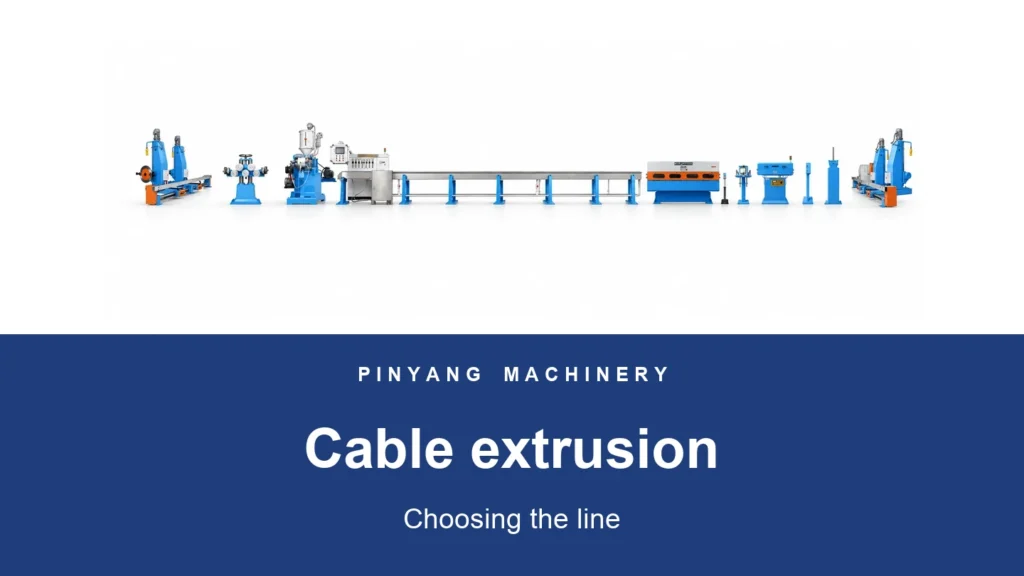
Choose a cable extrusion line by layer, compound and actual output. Use a worked kg/h example, compare cooling and haul-off, and define the acceptance trial.
Read the guideStart with your situation
Choose the situation closest to your project. Each path connects the technical questions with the information you need to prepare.
For existing manufacturers
Start with the operation you want to improve. Identify what stays in the line and which interfaces the new equipment must match.
Suggested reading
Match Pay-off and Take-up to Your Production Line
Check the mechanical and control interfaces
How to Choose a Cable Extrusion Line
Review the complete equipment package
What to prepare
A defined upgrade scope with the retained machinery, reel requirements and production target.
For a defined cable project
Work back from the cable construction. Decide what you will buy as incoming material and which processes you need to perform in-house.
Suggested reading
Map Your LAN Cable Production Route
See how a cable drawing changes the route
Bunching or Stranding: Start with the Conductor
Define conductor-formation requirements
What to prepare
A production route with a clear starting point and a specification for each required operation.
For a new investment
Choose the initial product range before comparing machine lists. Review machinery, site preparation and start-up responsibilities together.
Suggested reading
Planning a Cable Factory: Define the Scope First
Organize the project before selecting machines
What to Include in a Cable Machinery RFQ
Prepare a consistent request for proposals
What to prepare
A practical planning brief with scope, site inputs and the questions still to resolve.
Find your next answer
6 guides
Prepare a cable machinery RFQ with a product drawing, output basis, supply matrix and trial record. Compare exceptions and delivery responsibilities line by line.
Read the guide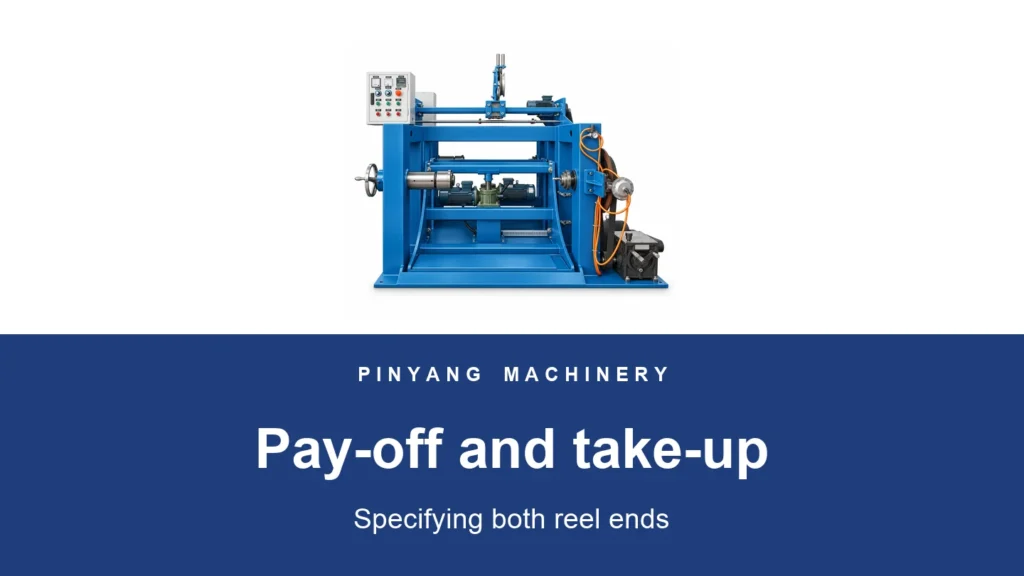
Match pay-off and take-up units using reel dimensions, loaded mass, tension and line controls. Includes a reel drawing and a retrofit acceptance checklist.
Read the guide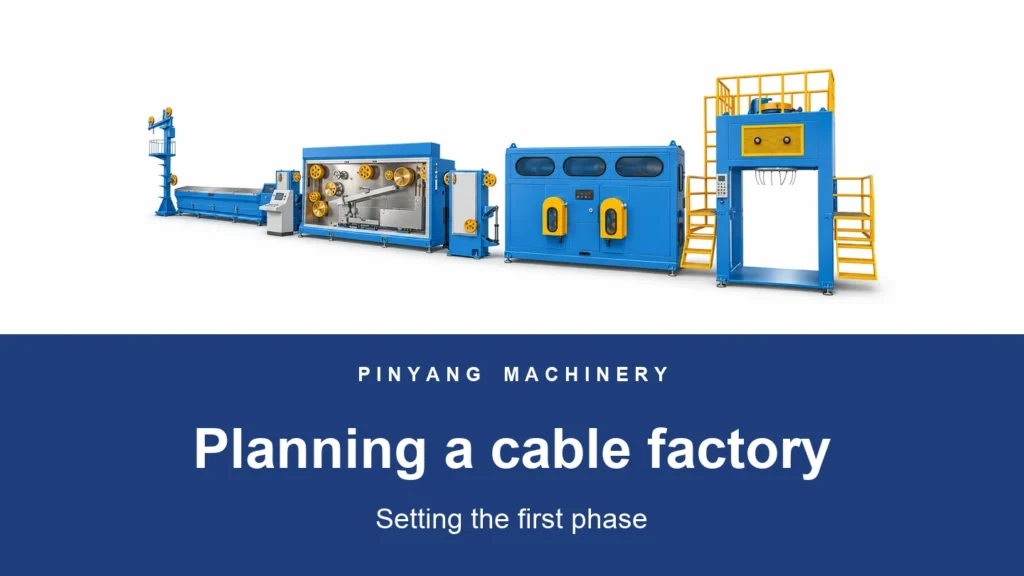
Plan a cable factory around its first saleable cable. Compare make-or-buy options, investment packages, reel routes and site responsibilities before requesting offers.
Read the guide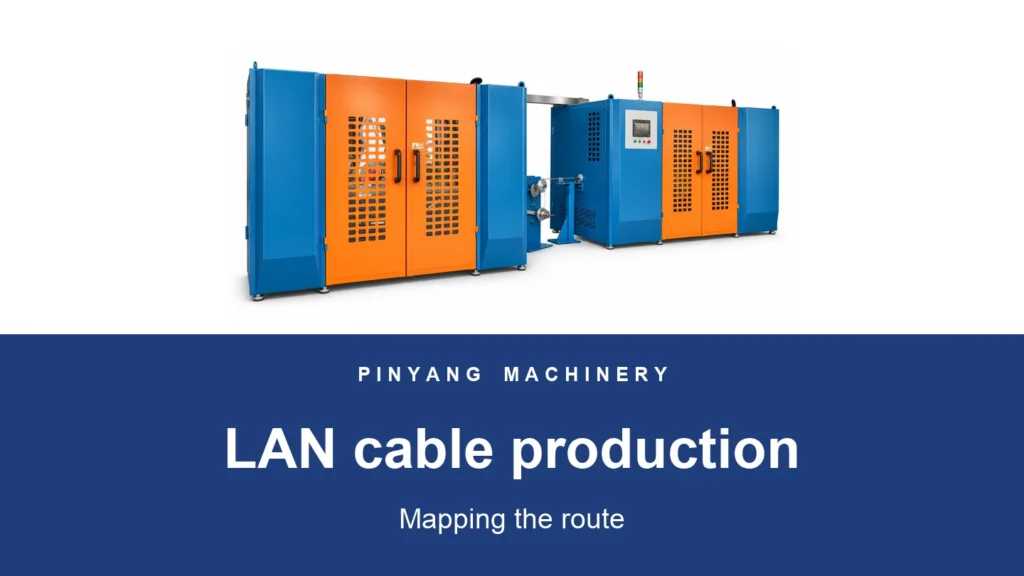
Map a LAN cable production route from bought-in wire, insulated cores or pairs. See where pair twisting, foil screening, jacketing and testing belong.
Read the guide
Choose between bunching and concentric stranding from the conductor drawing. Compare strand arrangement, lay, reel interfaces and trial evidence.
Read the guideChoose a cable extrusion line by layer, compound and actual output. Use a worked kg/h example, compare cooling and haul-off, and define the acceptance trial.
Read the guideUnderstand the bigger picture
Connect the operation, its interfaces and the project scope. These are useful distinctions before you start comparing equipment.
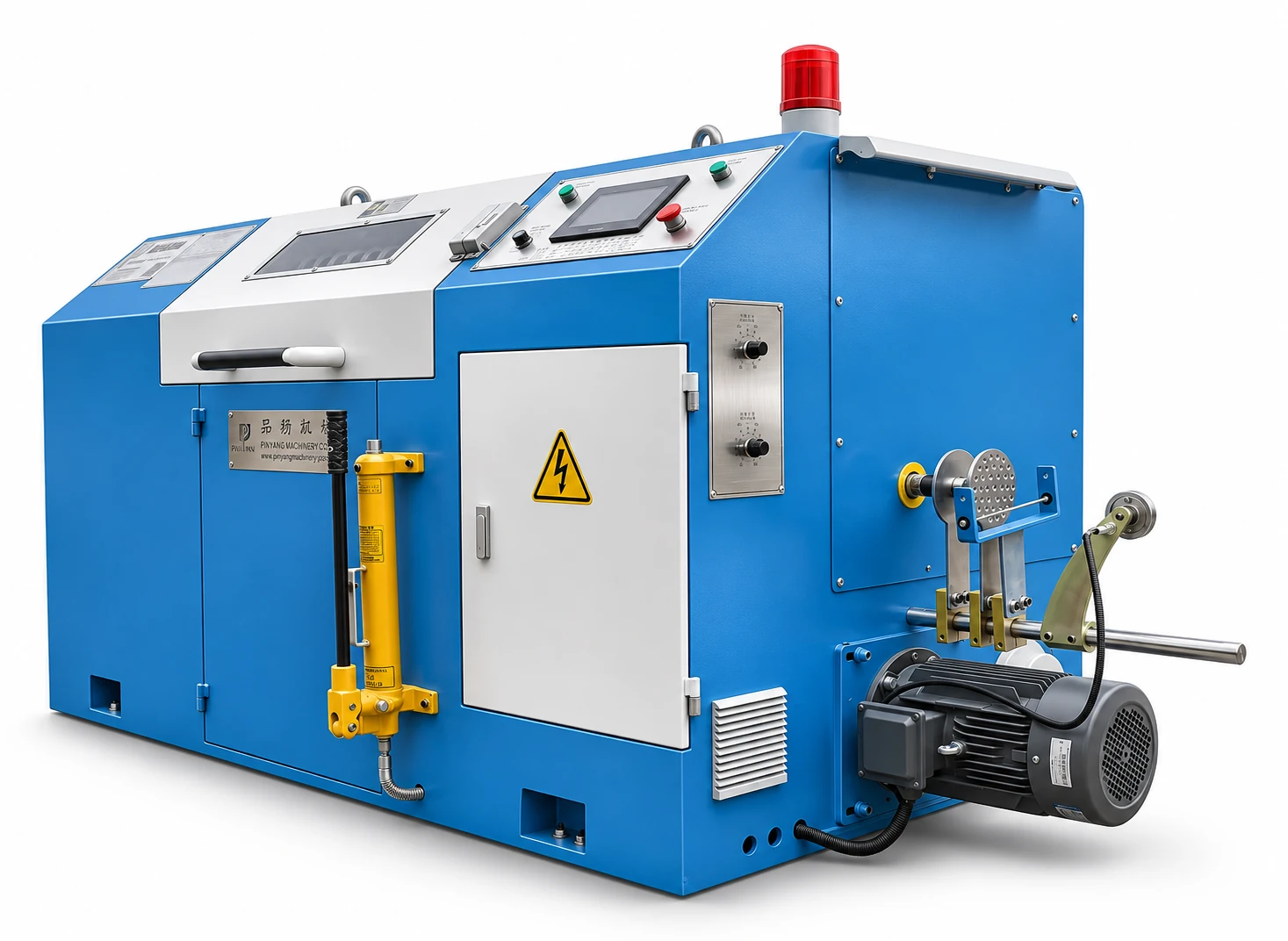
Drawing, conductor formation and cable assembly solve different problems. The material entering the machine is the first clue to the operation you need.
Separate rod or bare wire from insulated cores and prepared pairs. A wire bunching requirement is different from a final cable-assembly requirement.
Wire size, strand count, core arrangement and lay affect selection. Confirm the product drawing before comparing model names.
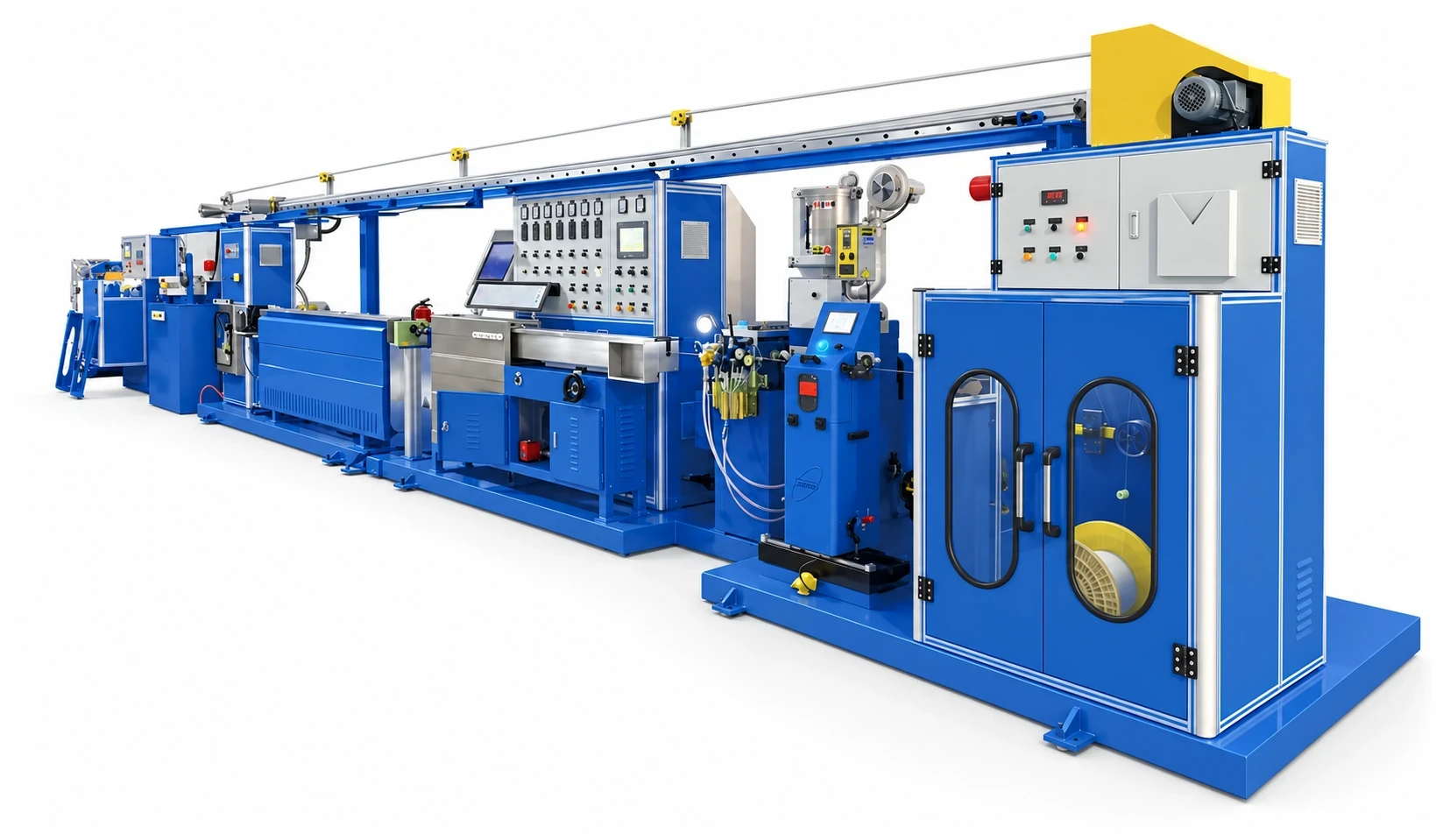
An extrusion decision includes more than the main machine. Compound, layer structure, cooling, inspection, tension and reel handling form the complete review.
Use the same material grade, incoming dimensions, finished layer and required output in each equipment discussion.
Check the reels, material path and control connections. Identify who supplies the supporting units and the services they require.
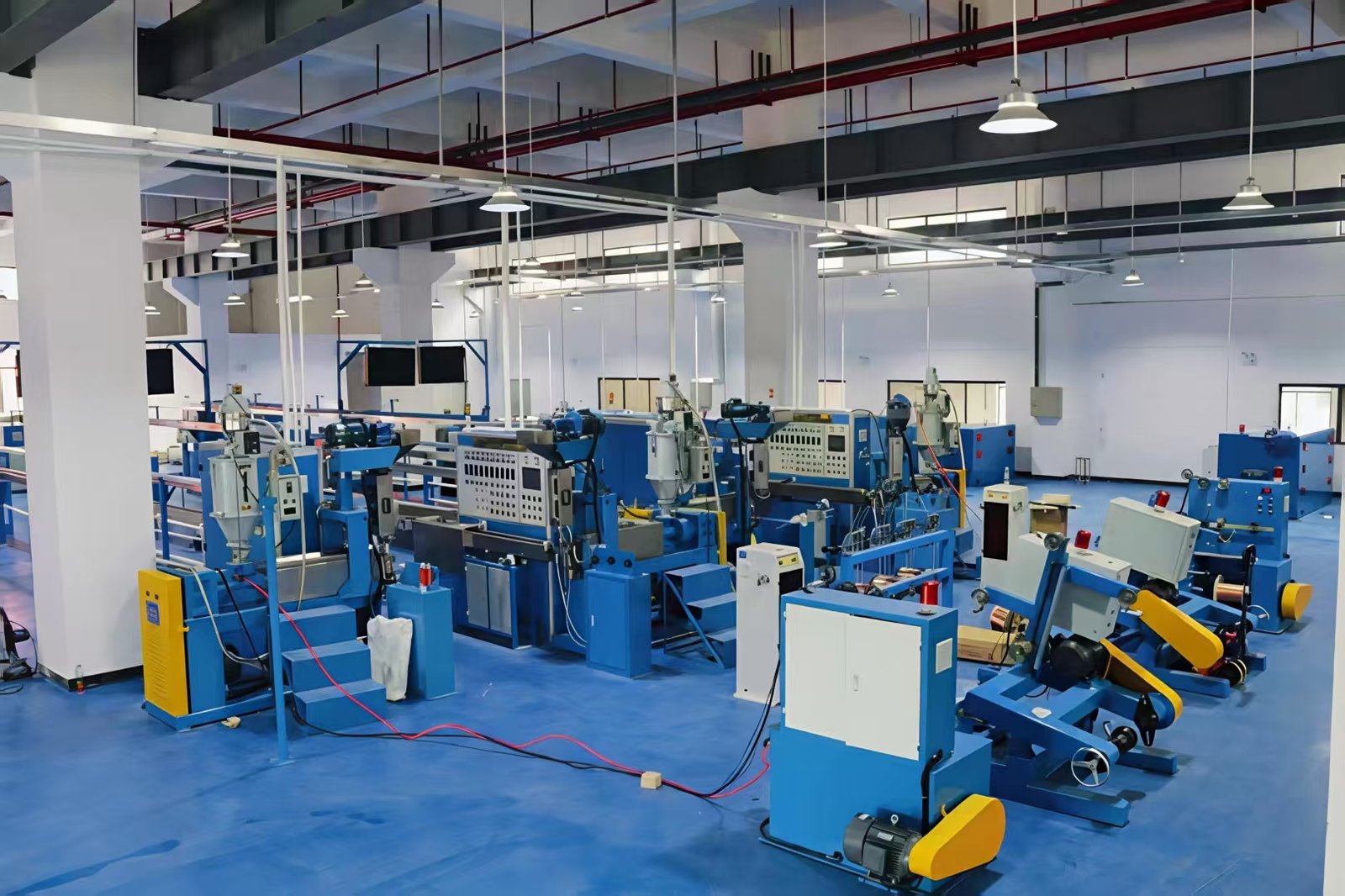
A useful machinery proposal starts with a defined project. Product mix, purchased inputs, available space and supply responsibilities shape the machinery list.
List the equipment package, factory preparation and start-up resources separately. An equipment total does not describe the entire project.
Record which drawings, utility details and production requirements are confirmed. Assign an owner to each item still needing review.
Before the technical discussion
You do not need a finished machine list to begin. Start with the product, the project boundary and the questions you need to resolve.
Begin with the production-route guide and your cable cross-section. Identify the material you plan to buy, then list the remaining conductor, insulation, assembly and outer-layer operations. The Production Lines pages help connect those operations to equipment families.
Describe the current limitation, the product you want to make and the units you intend to keep. Add reel drawings, operating requirements and available mechanical or control information. The new machine and the retained line need to be reviewed together.
A guide helps organize selection inputs and explain process boundaries. Model suitability still depends on the actual material, cable construction, working range and interfaces. Catalogue values should be checked against the proposed configuration.
First align the product and output requirement, then compare the included machines, options, customer-supplied items and project services. Ask each supplier to identify exclusions and assumptions explicitly before comparing the overall package.
No. Include the cable type, project situation and information already available. Mark unknown dimensions, output targets or site inputs as open questions. The local brief helps organize that discussion; preparing or downloading it does not send an inquiry.
From research to requirements
Explore a complete cable route, compare equipment families, or collect your requirements for a technical discussion.