Two factories making the same LAN cable can need different equipment. One buys bare conductor and insulates it. Another receives identified pairs and starts at cable assembly.
Draw the route between what arrives on the supply reel and what leaves in the delivery box. The following example follows a twisted-pair copper cable through assembly, shielding where specified, jacketing and release.
Set the starting point at incoming inspection
Write the incoming item on the left of the route and the saleable package on the right. If the input is bare conductor, core insulation remains in scope. If insulated cores arrive on reels, record their diameter, colours, usable length and reel geometry. If pairs are purchased, add their identification and the evidence required at incoming inspection.
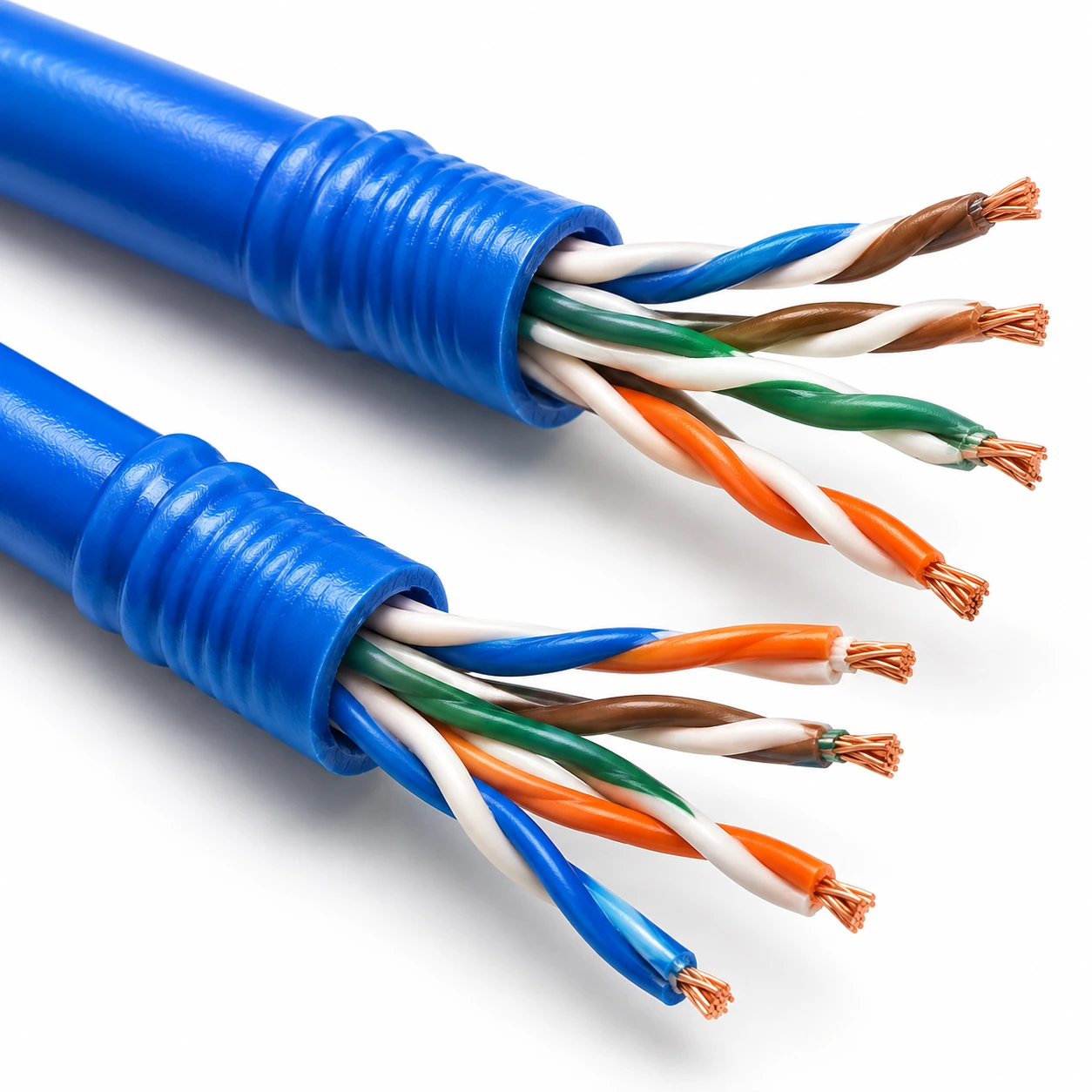
What arrives on the reel?
| Bought-in material | Operations to review |
|---|---|
| Prepared conductor | Core insulation, pair twisting, cable assembly, specified shields, jacketing and finishing. |
| Insulated cores | Pair formation and subsequent assembly, shields, jacketing and finishing. |
| Prepared pairs | Cable assembly and the remaining specified layers and finishing. |
| Assembled cable core | Only the outstanding layers and finishing, with incoming dimensions and construction verified. |
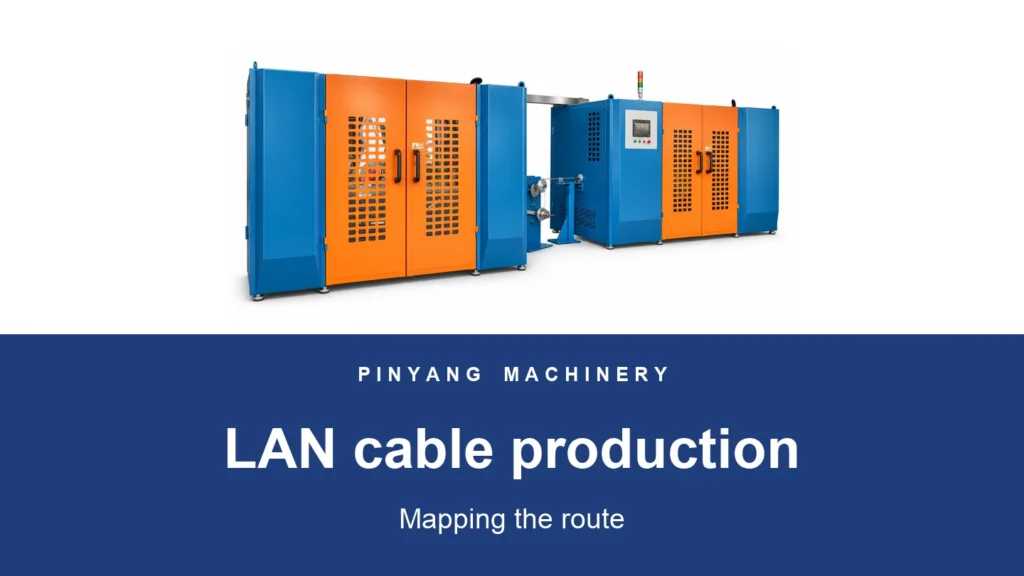
The LAN production line configuration shows how the equipment package changes at these entry points. Agree who checks each incoming material before it is released to the line.
Checklist
Mark the construction details already available before you assign the first operation.
- Cable category and construction drawing
- Conductor construction and incoming material
- Insulation material and dimensions
- Pair lay and assembly requirements
- Pair and overall shielding arrangement
- Finished-cable checks and reel package
Schedule each pair before assembling the core
Core assembly can start when a compatible set of pairs is available in the required usable lengths.
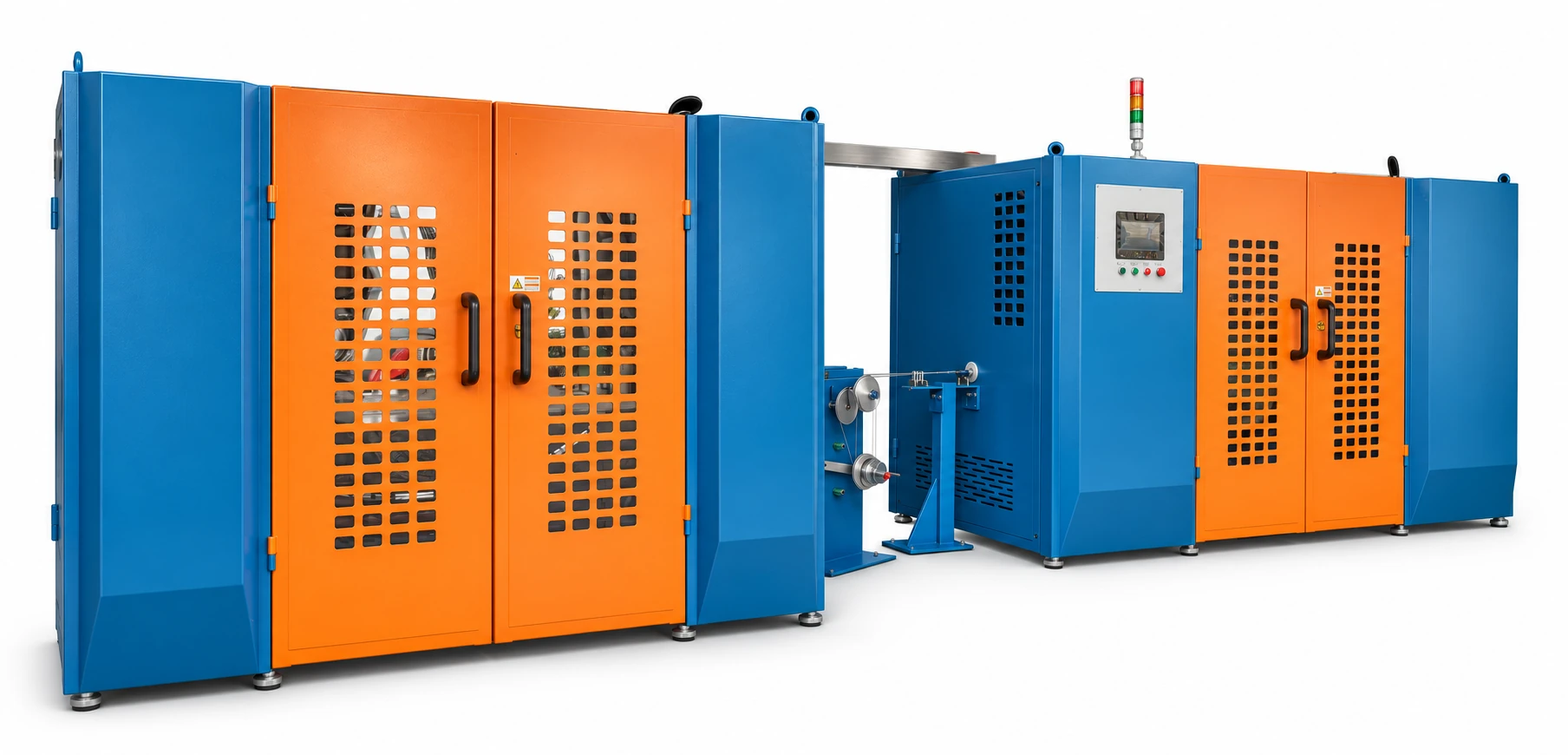
- Identify the insulated cores. Record colour, diameter, reel number and usable length for each input.
- Form each pair. Take the specified lay from the cable design, identify the pair, and record its available length.
- Release a complete set. Match pair identification, usable lengths and any required screen before the core is assembled.
The twisting and cabling equipment range covers different duties. When planning shifts, calculate available lengths for each pair. One missing pair can hold up core assembly even when total metres produced across the pair lines look sufficient.
Locate each screen on the cross-section
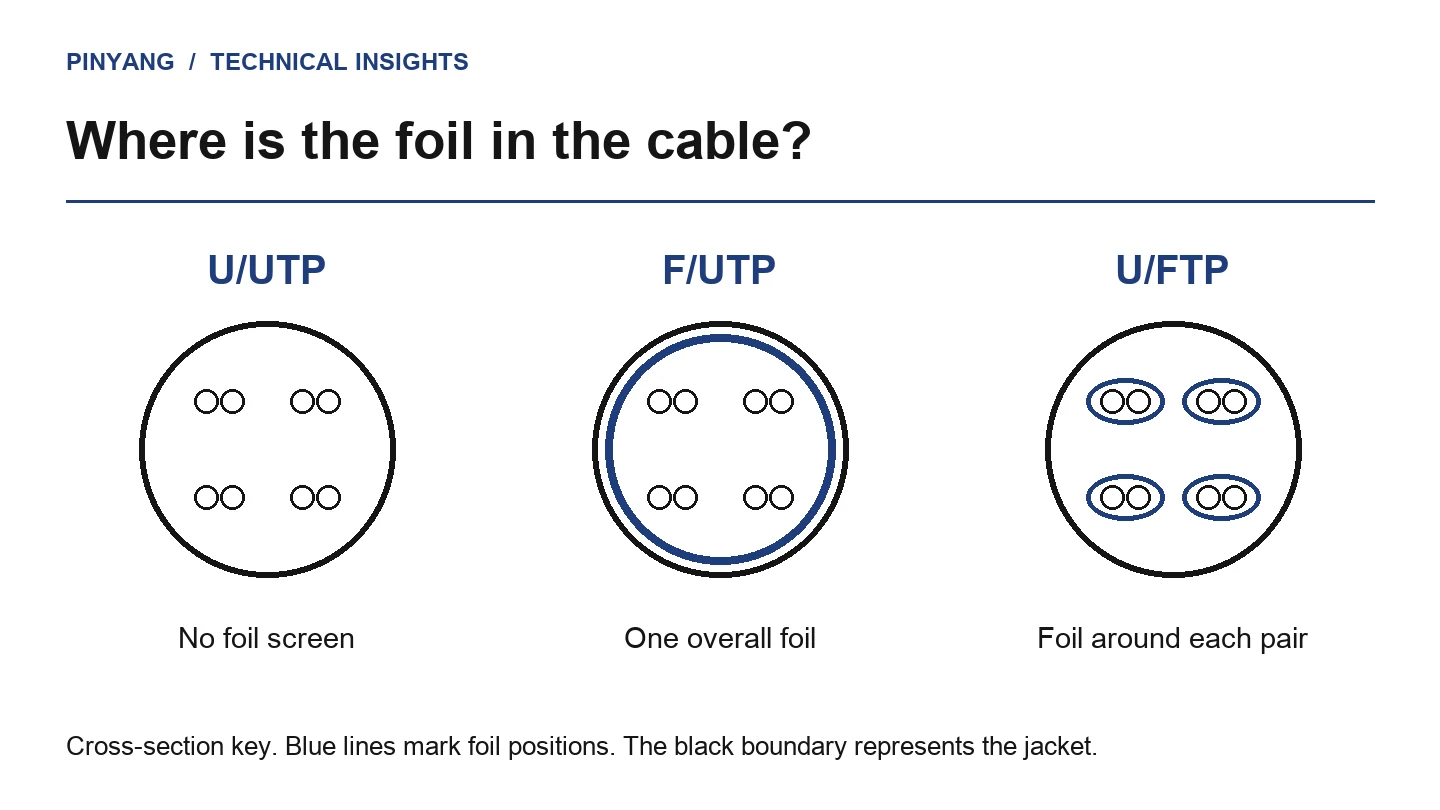
Trace the drawing from each insulated pair out to the jacket. In U/UTP, neither the pairs nor the overall core have a screen. F/UTP adds foil around the assembled core. U/FTP adds foil around individual pairs. Tape handling, drain-wire position and continuity checks follow the specified construction.
For commercial examples of different constructions within one category, compare the Cat 6 cable constructions published by ETK Kablo. Use the drawing for your actual order to place the screening and jacket extrusion stages.
Note
A category designation alone leaves the screen construction open. For a foil construction, show the foil position, any specified drain wire and the inspection point on the drawing issued to the line supplier.
Release the tested cable in its delivery package
Distinguish the factory’s bulk cable test from certification of a completed installed channel. Agree the bulk cable standard, applicable edition, test frequency range and sample length. Identify the electrical tests required by the product document, such as insertion loss, return loss and near-end crosstalk.
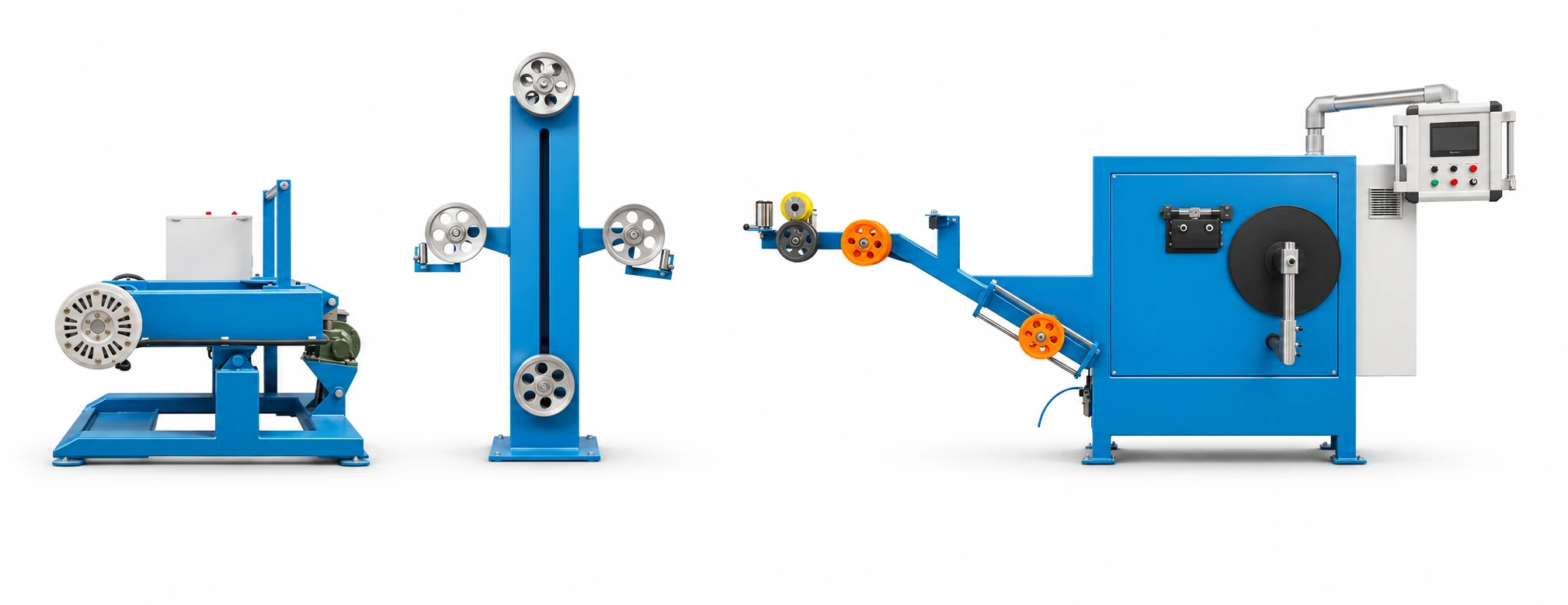
Evidence to request
Ask for a test record that identifies the cable lot, sample length, applied test limit and result. Add the reel or box number so the result can be traced back from the delivered package.
Record the cable lot, construction revision, tested sample and package identification together. Use the machinery RFQ checklist to assign testing equipment, samples and responsibility for acceptance.
Your next step
Turn this guide into a useful project brief
Carry the preparation questions into your brief, then add your cable and factory requirements.
Prepare my project brief Prepared locally. No inquiry is sent.