Seven wires can make a flexible bunch or a conductor with a centre wire and a specified layer of six. The wire count is identical. The drawing tells you whether the arrangement matters.
Look first for the strand schedule, lay direction and acceptance requirements. Those details tell you what to ask a buncher or strander supplier to demonstrate.
Does the drawing fix the position of each strand?
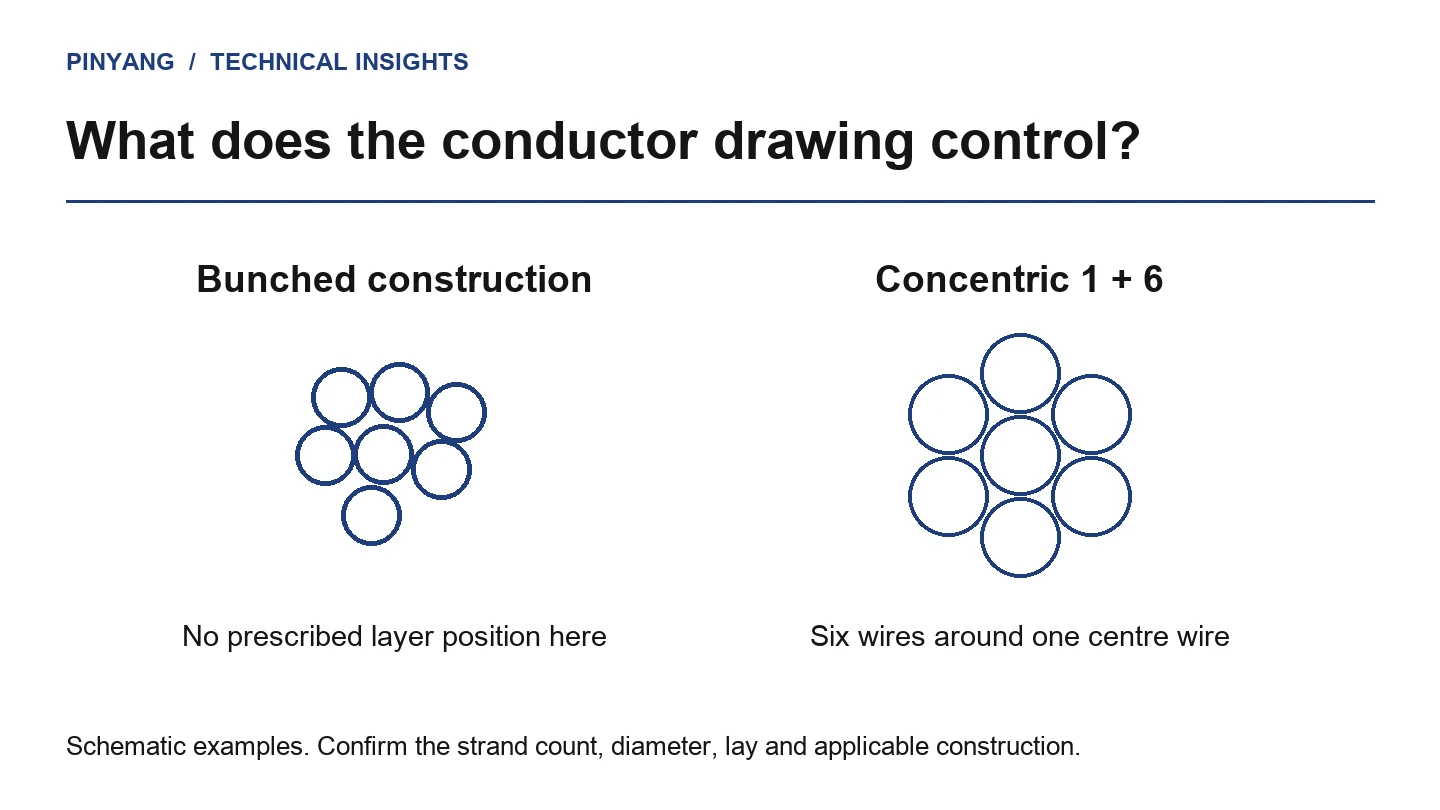
Record the individual wire diameter, count, material and finished conductor area. Check whether the drawing fixes a layer arrangement, direction or lay length. If the specification names a construction standard, send the edition with the drawing.
For examples of the distinction in copper specifications, see ASTM’s scope for bunch-stranded conductors and concentric-lay conductors. The customer’s specification determines which, if either, applies to the order.
Decision criterion
A defined centre and concentric layer make layer formation a selection requirement. For a flexible bunch, confirm the permitted arrangement and the finished-conductor requirements with the customer.
Compare the machines on the same conductor
| Selection question | Flexible bunch | Defined concentric layer |
|---|---|---|
| How are the wires fed? | Review simultaneous pay-offs, individual wire size and tension spread. | Identify the centre wire, wire count per layer and required lay directions. |
| What must the machine control? | Check the bunch lay range and finished shape allowed by the drawing. | Check the specified layer geometry and how the machine controls the feed of each layer. |
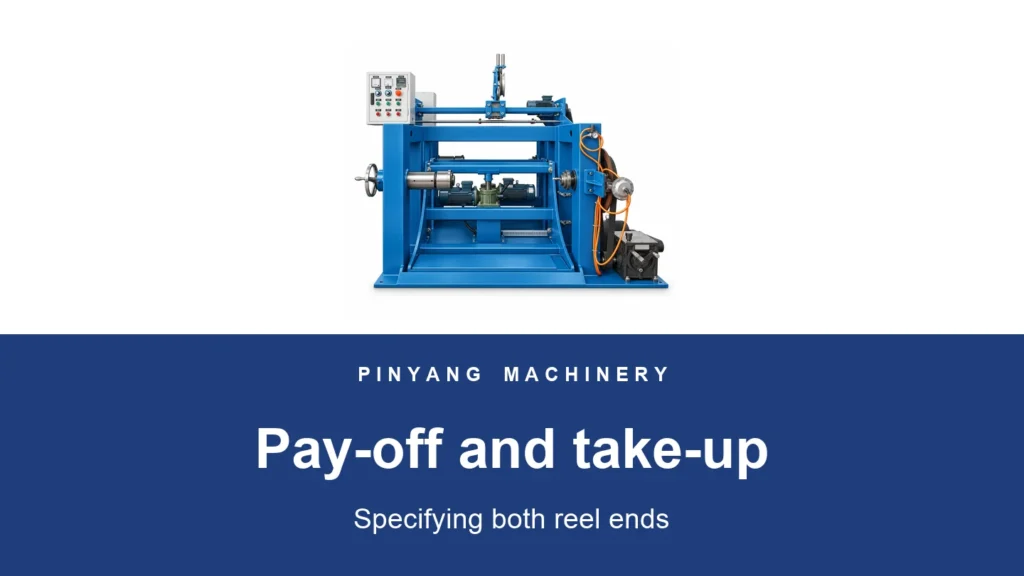
| Which reel interfaces matter? | Verify supply reels, the take-up package and usable finished length. | Check reel capacity at each position, loading access and the take-up package. |
| What proves the proposal? | Ask for a sample at the specified lay, area and product test conditions. | Inspect layer arrangement, direction and measured lay on a traceable sample. |
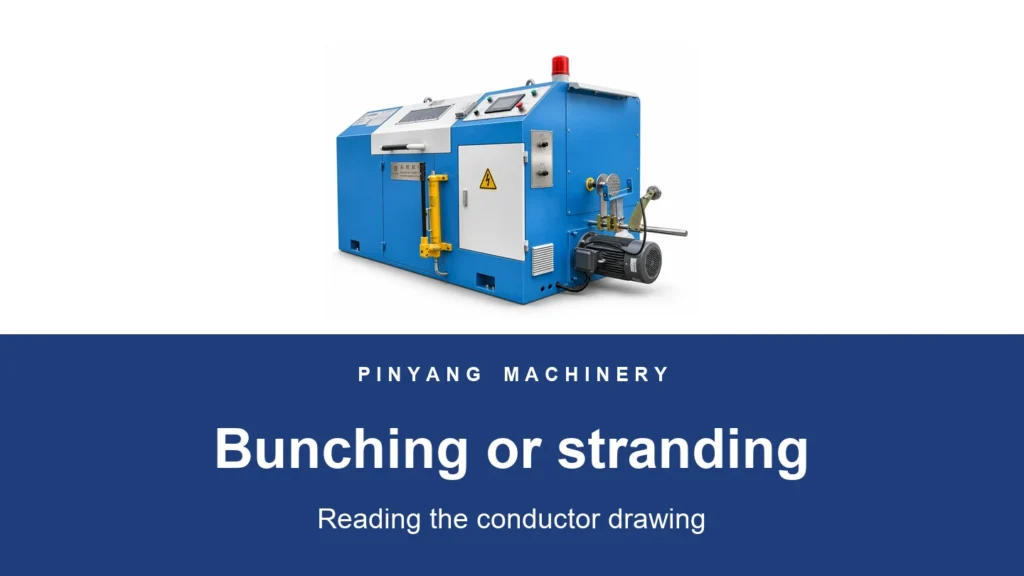
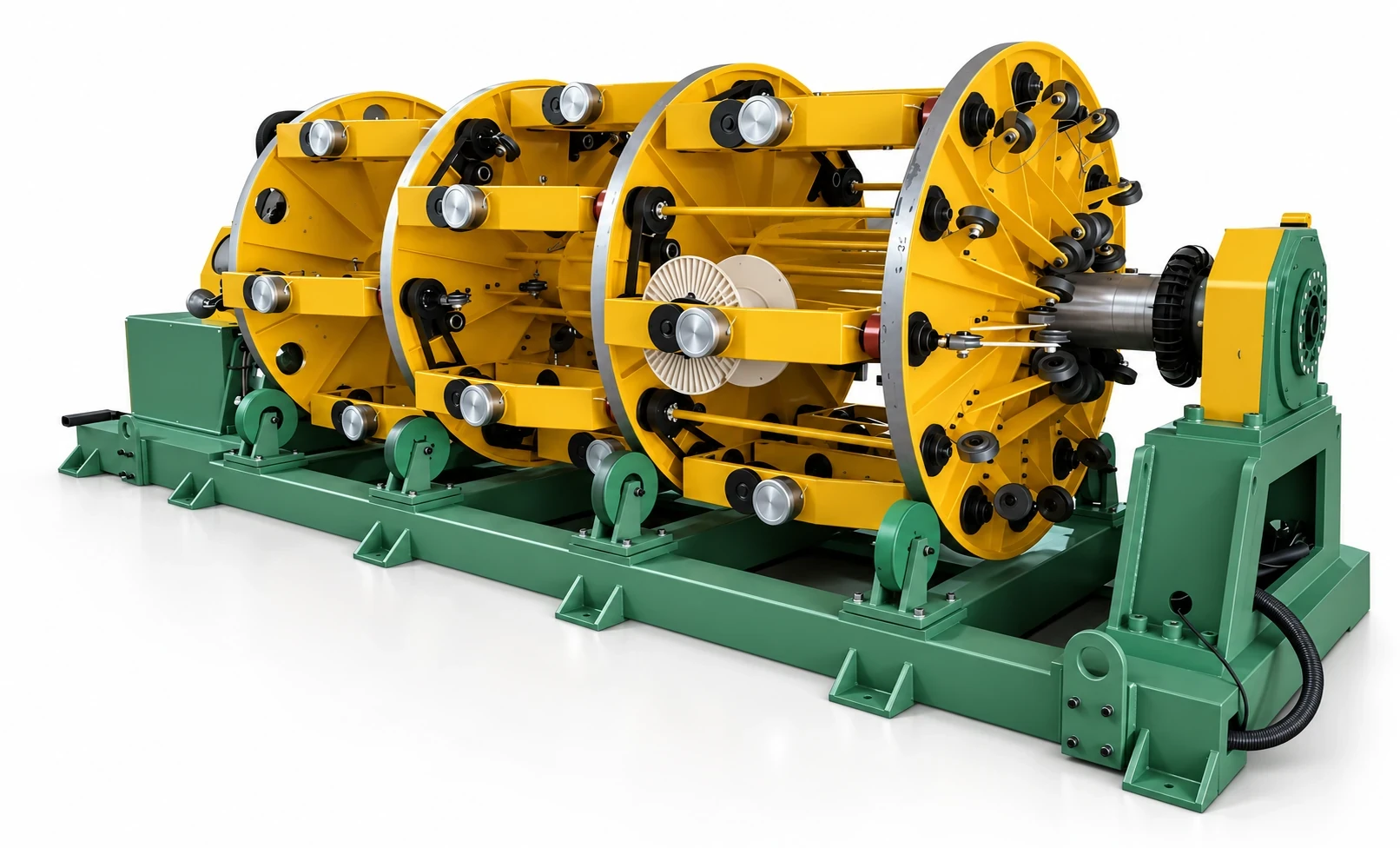
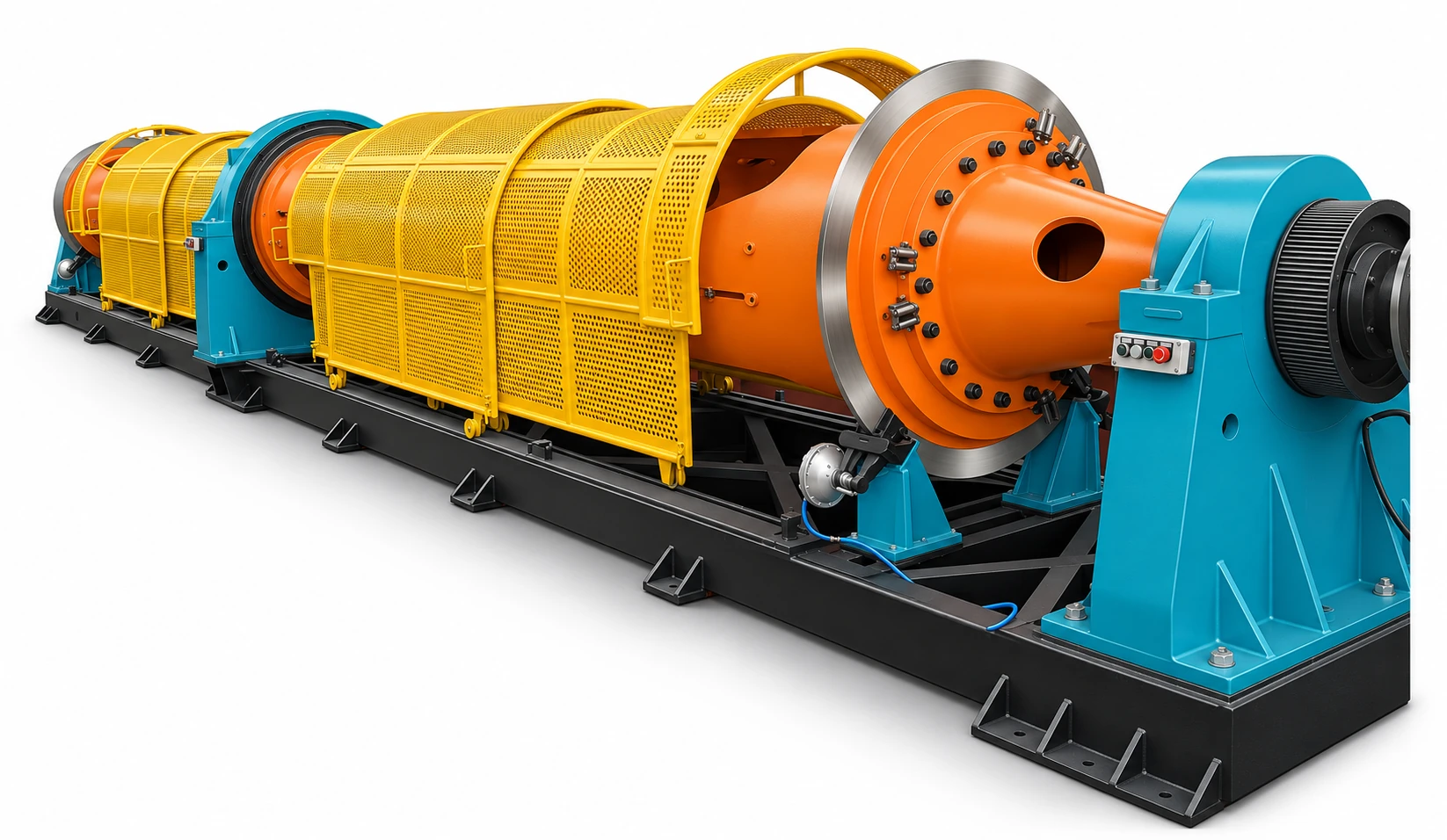
Use the bunching and stranding equipment comparison to shortlist architectures. Before moving to a model, give the reel flange, barrel, bore, loaded weight and available loading method.
Convert effective turns into metres per minute
Lay length is the axial distance over which a strand completes one turn around the conductor. If the closing point adds 1,000 effective turns per minute at a 40 mm lay, theoretical delivery is 40 m/min. Effective turns per minute accounts for how the machine imparts twist. Do not substitute raw spindle rpm without the machine maker’s conversion.
What to ask
Ask for accepted conductor length over an agreed period, including how reel changes are counted. When wire is drawn in-house, compare the input requirement with the drawing and annealing operation.
Inspect the trial conductor before releasing it to insulation
Label a retained sample with the drawing revision, wire batch and machine setting. Check the actual strand count, lay direction, measured lay and finished dimensions. Record how the sample was taken so the next shift can reproduce the inspection.
How to verify
Use these entries to identify the conductor and the package you want the supplier to run.
- Conductor material and construction drawing
- Individual wire sizes and strand count
- Finished conductor area and lay requirements
- Incoming reels and take-up package
- Required output and downstream operation
If insulation follows, identify the take-up reel and trial length suitable for that next pass. The reel-handling guide lists the dimensions both operations need to share.
Keep the accepted specimen with its lay measurement, inspection method and downstream reel identification. It gives the next shift a physical reference for the same construction.
Your next step
Turn this guide into a useful project brief
Carry the preparation questions into your brief, then add your cable and factory requirements.
Prepare my project brief Prepared locally. No inquiry is sent.