
Production line configuration

Solar Cable Production Line

Match conductor preparation, bunching, insulation and sheathing equipment to your photovoltaic cable construction and compound system.

Explore the production route
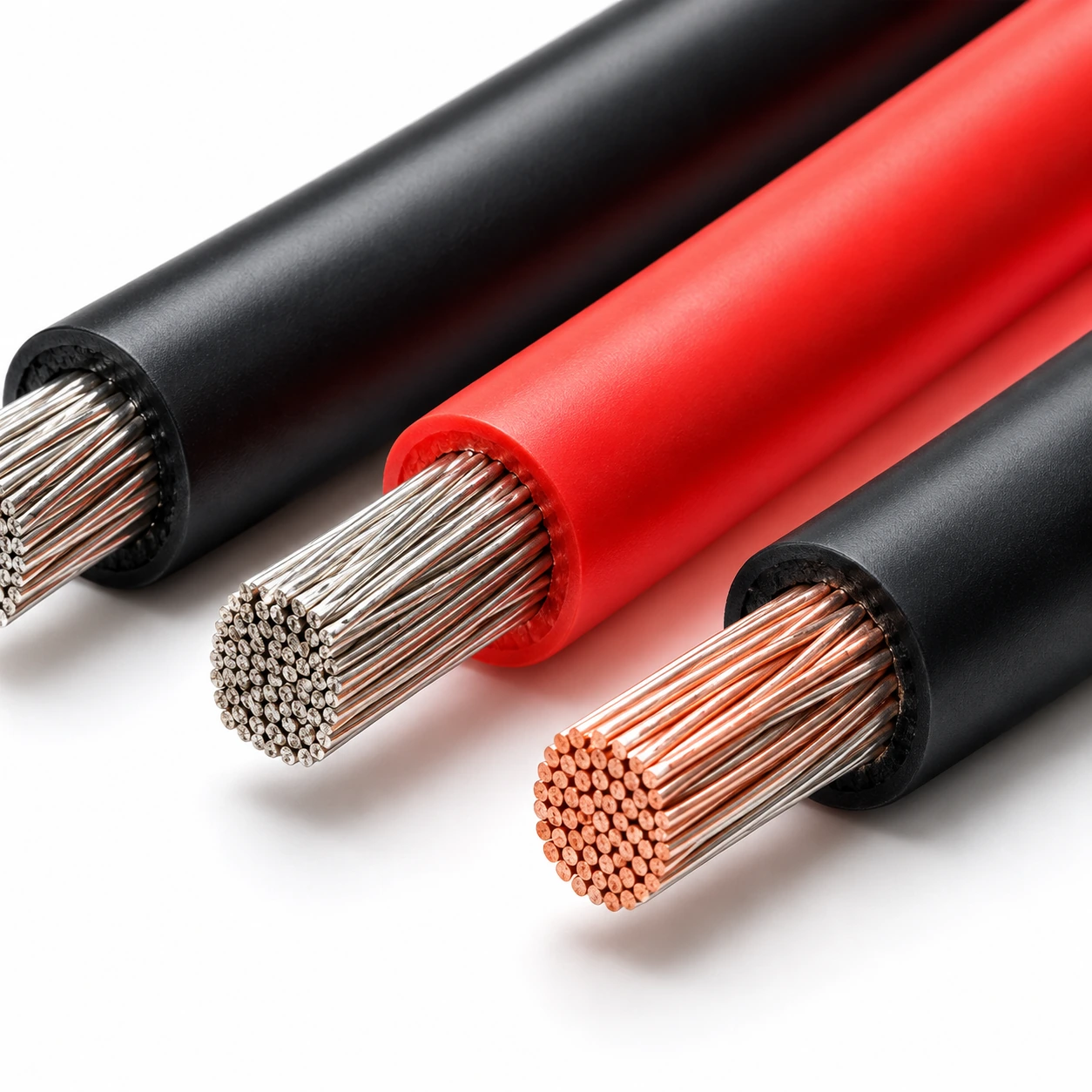
Solar Cable illustration
Solar CableApplication illustration

Define the cable you want to produce

Conductor cross-section, strand construction, insulation and sheath compounds, layer structure and output requirements.

Fine wires → bunched conductor → insulation → sheath → finishing

Indicative process route; confirm against your cable drawing.

Selection priority

Conductor construction and material system

Choose where your production begins

Separate conductor-making investment from the insulation, sheath and compound-treatment scope. A solar-cable label alone does not define the material process.

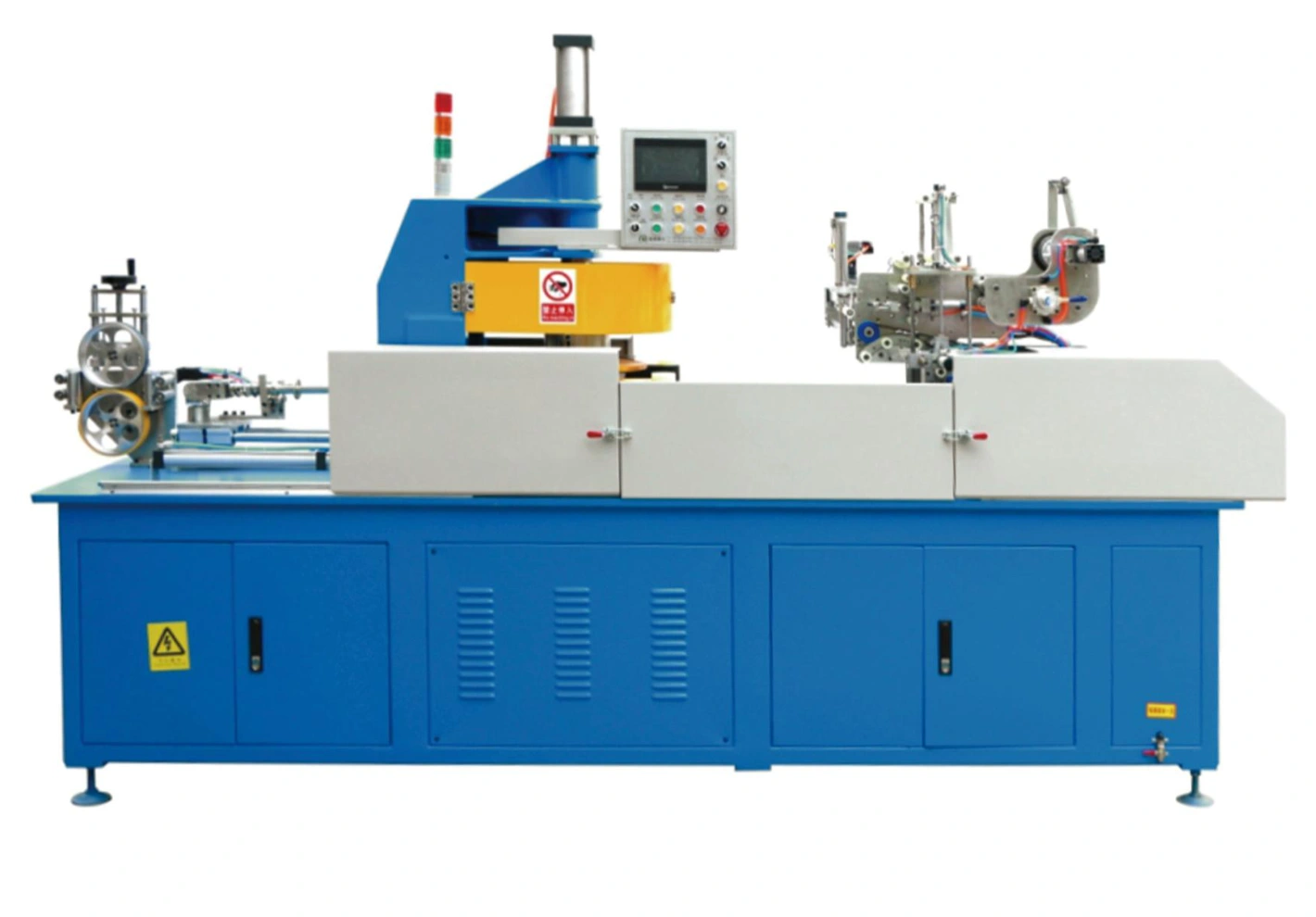
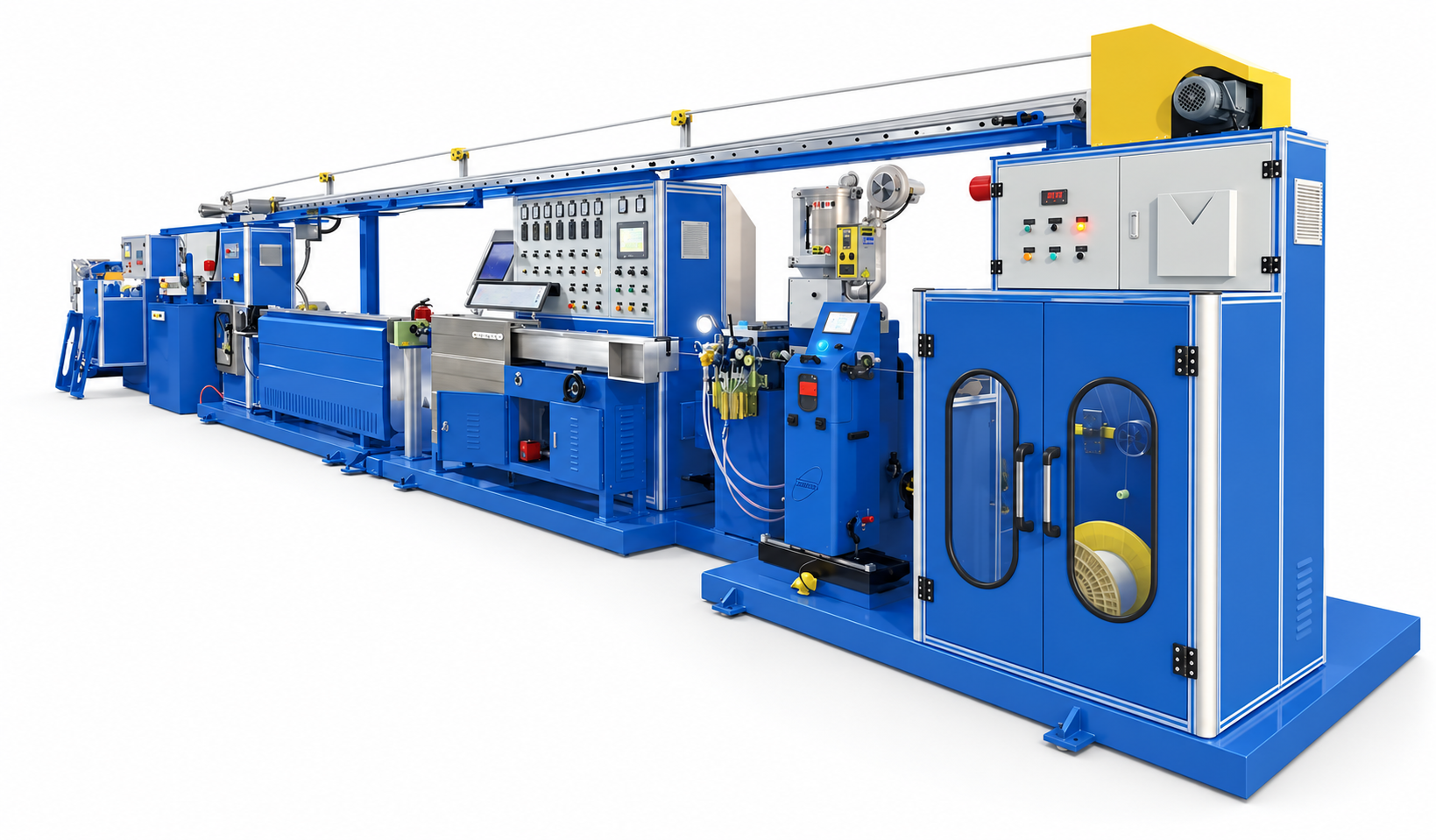
Catalogue photovoltaic cable extrusion equipment
Catalogue photovoltaic cable extrusion equipmentDownstream processing example for a conductor purchased ready for insulation.
Compare the equipment boundary

Buy the finished flexible conductor

  1. Insulate
  2. Sheath
  3. Treatment if specified
  4. Finish

Feed the agreed conductor into insulation and sheathing, then complete the specified treatment, inspection and finishing.

Supply boundary & incoming-material checks
Outside or separately confirmed
Drawing and bunching can be excluded from the initial machine list.
Check the incoming material
Conductor material and condition, strand construction, cross-section, reel dimensions and incoming quality.

This defines a discussion scope. The final equipment list follows the cable drawing and technical review.

Explore the production route

Select a stage to see its role, equipment and the interface to confirm.

Multi-wire drawing with online annealing
Solar Cable

Conductor preparation

Prepare the conductor dimensions and condition needed by the next operation.

Input
Specified rod or incoming wire
Output
Wire at the specified diameter

Confirm the interfaceMaterial compatibility, incoming and finished diameter, annealing needs and supply reels.

Review wire drawing & annealing equipment
Stage 1 of 5

Compare the construction choices

A different cable structure can change machines, tooling and supply responsibilities. Compare these choices before agreeing the equipment list.

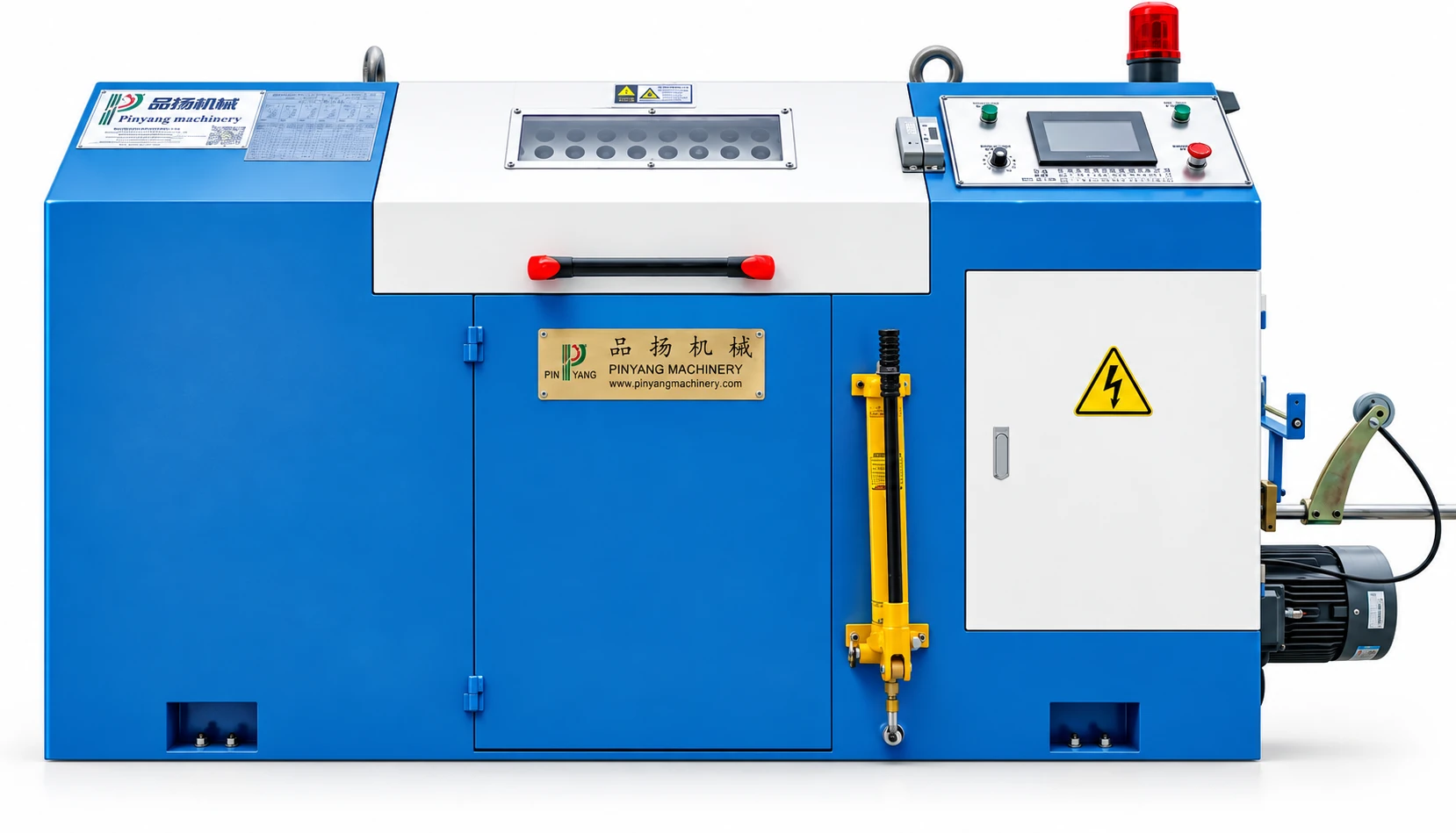
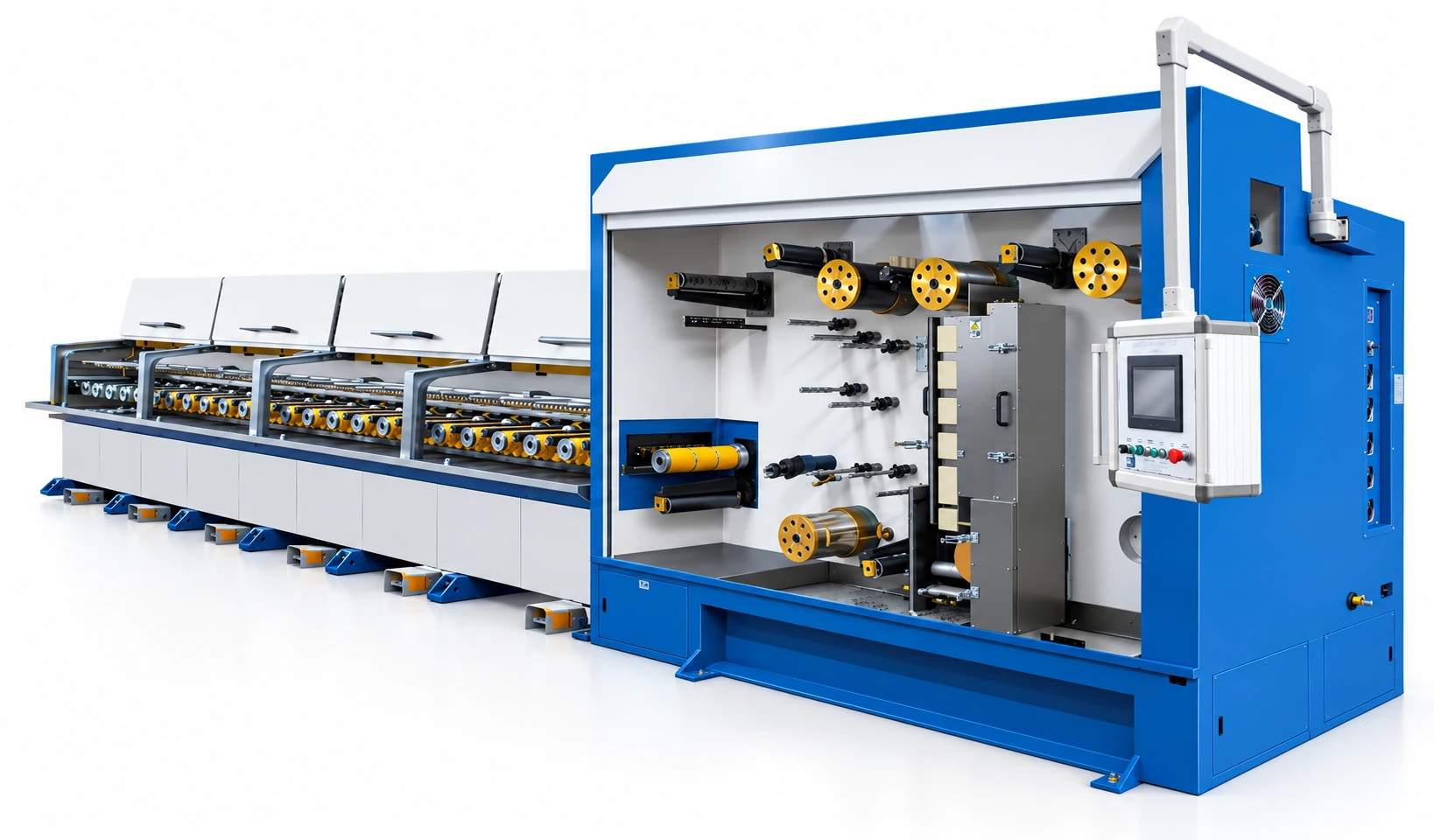
Catalogue high-speed bunching machine
Catalogue high-speed bunching machineConductor-formation example; check wire size, strand count and the intended product range.

One conductor size or a production range

Match the buncher, pay-off, extrusion and take-up to the smallest and largest constructions.

What changes

A broad range can increase tooling and changeovers; a maximum cross-section does not establish fine-strand compatibility.

Confirm before selection

Supply individual wire diameters, strand count, area, finished dimensions and the expected product mix.
Explore the equipment for this cable

Open an equipment family to compare machine types and reference specifications.

Agree the output, site and acceptance basis

A connected line needs a common specification at every handover. Use these points to test whether the proposed scope is complete.

Production target

Capacity after every required process

Compare saleable cable output after insulation, sheathing and any required material treatment.

Review the planning details

If treatment is off-site or off-line, include its batch size, transfer time and availability in the production plan.

Factory interfaces

Material and reel handling

Separate the compound storage and preparation requirements from the conductor-reel area.

Review the planning details

Use the actual material supplier instructions to define preparation needs, then coordinate cooling, take-up and intermediate cable storage.

Acceptance plan

Trial and acceptance

Use the specified conductor and both compound grades in the trial plan.

Review the planning details

Agree dimensional, processing and finished-cable tests, including any tests after material treatment. Supplying equipment does not establish product certification.

Put responsibilities in writing

Identify who provides trial materials, utilities, reels, testing and any external process. Agree how results will be recorded and what must be resolved before acceptance.

Compare investment on the same scope

A useful budget separates the machines from plant preparation, external processing and start-up requirements. No standard package price can replace a defined cable specification.

Configuration and purchasing choices that change the budget
DecisionWhat enters the scopeHow to compare
Conductor scopeDrawing, bunching, reel systems and any external conductor treatment.Compare the same incoming material and finished strand construction.
Material processingInsulation and sheath equipment, compound preparation, cooling and separately scoped treatment.Show treatment equipment or outsourced processing as a separate budget item.
Phased purchasePurchased conductor can allow extrusion and finishing to be reviewed as an initial scope.Check supply continuity, quality, reel compatibility and provision for a later bunching stage.
Catalogue photovoltaic cable extrusion equipment

Use the catalogue as a starting point

The catalogue includes photovoltaic cable extrusion equipment and a separate conductor-formation range, allowing these process duties to be reviewed together.

The photograph establishes the equipment category. Compound compatibility, treatment scope, configured output and product certification require separate evidence.

Prepare your line-planning requirements

Conductor specification

Cross-section, strand structure and material condition guide conductor equipment.

Insulation and sheath

Provide actual compound grades and layer dimensions for technical review.

Material-specific treatment

Confirm whether additional processing is required and included in the project scope.

Production range

Plan around the intended size range and expected product changes.

Application questions

Does selecting a solar cable line certify the cable?

No. Equipment selection and cable certification are separate. Product requirements, materials, validation and the applicable testing route must be defined for the project.

Can both conductor and extrusion stages be planned?

Yes. PINYANG’s range covers conductor preparation, bunching, extrusion and supporting equipment, allowing these stages to be discussed together.

What defines the extrusion configuration?

The material system, layer structure, dimensions and required production range are the main inputs.

Is cross-linking automatically included with solar cable extrusion?

No. The selected compound determines the required process, and the proposal must identify whether treatment is in-house, externally supplied or outside the equipment order. Include the handling and validation steps that follow it.

Can we add more conductor sizes after starting production?

Review the new strand construction and every size limit from bunching to take-up. Existing equipment may be reusable, require tooling or configuration changes, or fall outside its intended range. Provide drawings of the current and proposed products.

Your Project Brief

Share the cable you want to make and the scope of your project.

Sample site: prepare and download a project brief locally. No inquiry is sent.