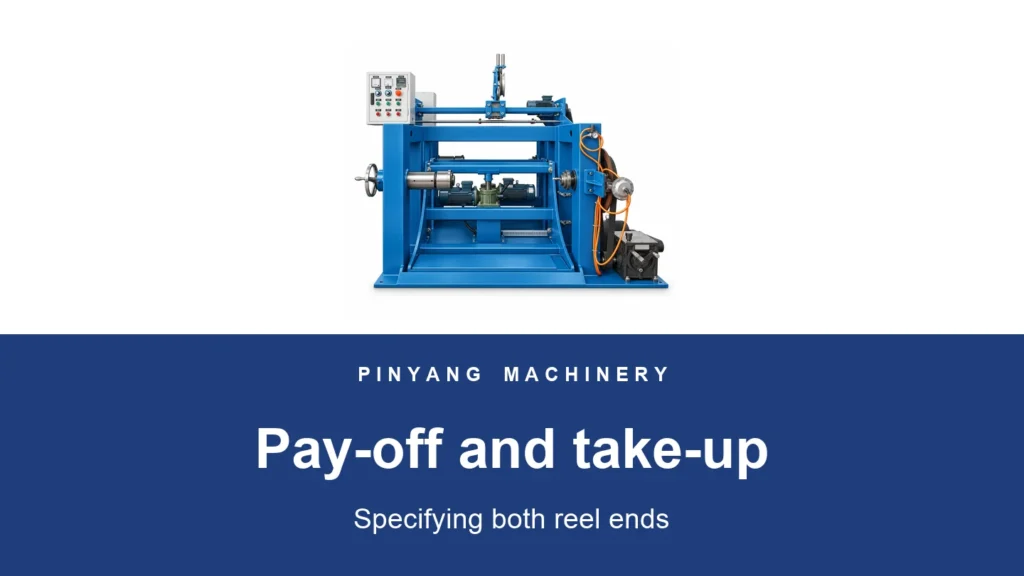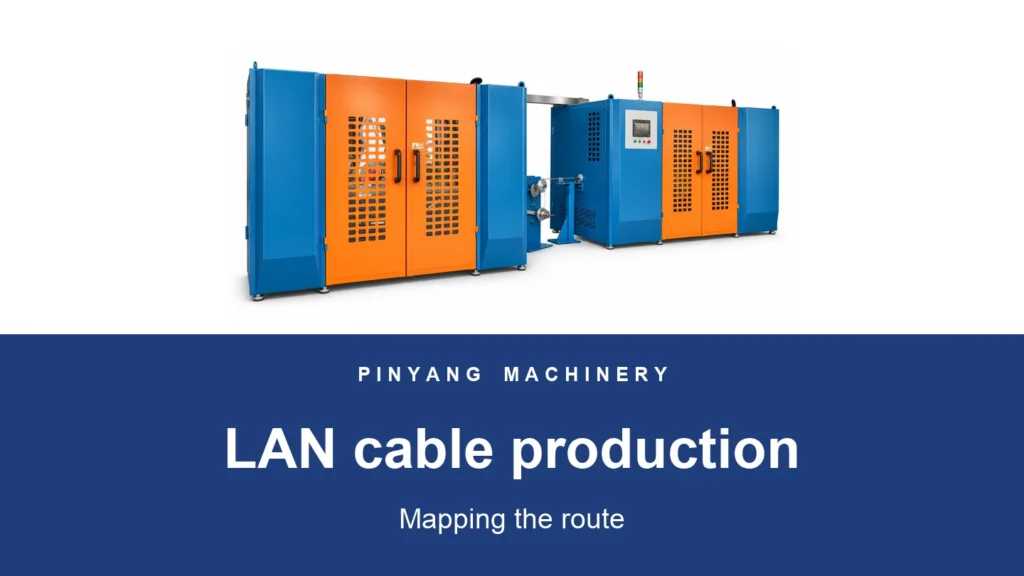

Two cable machinery quotations can show the same line speed and cover different jobs. One price may assume an existing haul-off. Another may include a new haul-off and quote speed only during a steady run.
Give each supplier the same drawing, output definition and supply boundary. The five steps below produce a request you can compare line by line, including the evidence you will want at the trial.
Give every supplier the same product drawing
Name the product, material entering the first machine and condition leaving the last one. Include drawing number and revision, conductor construction, compound grade, dimensional limits, package format and representative order length. Identify any retained machinery and send the relevant reel or interface drawings.
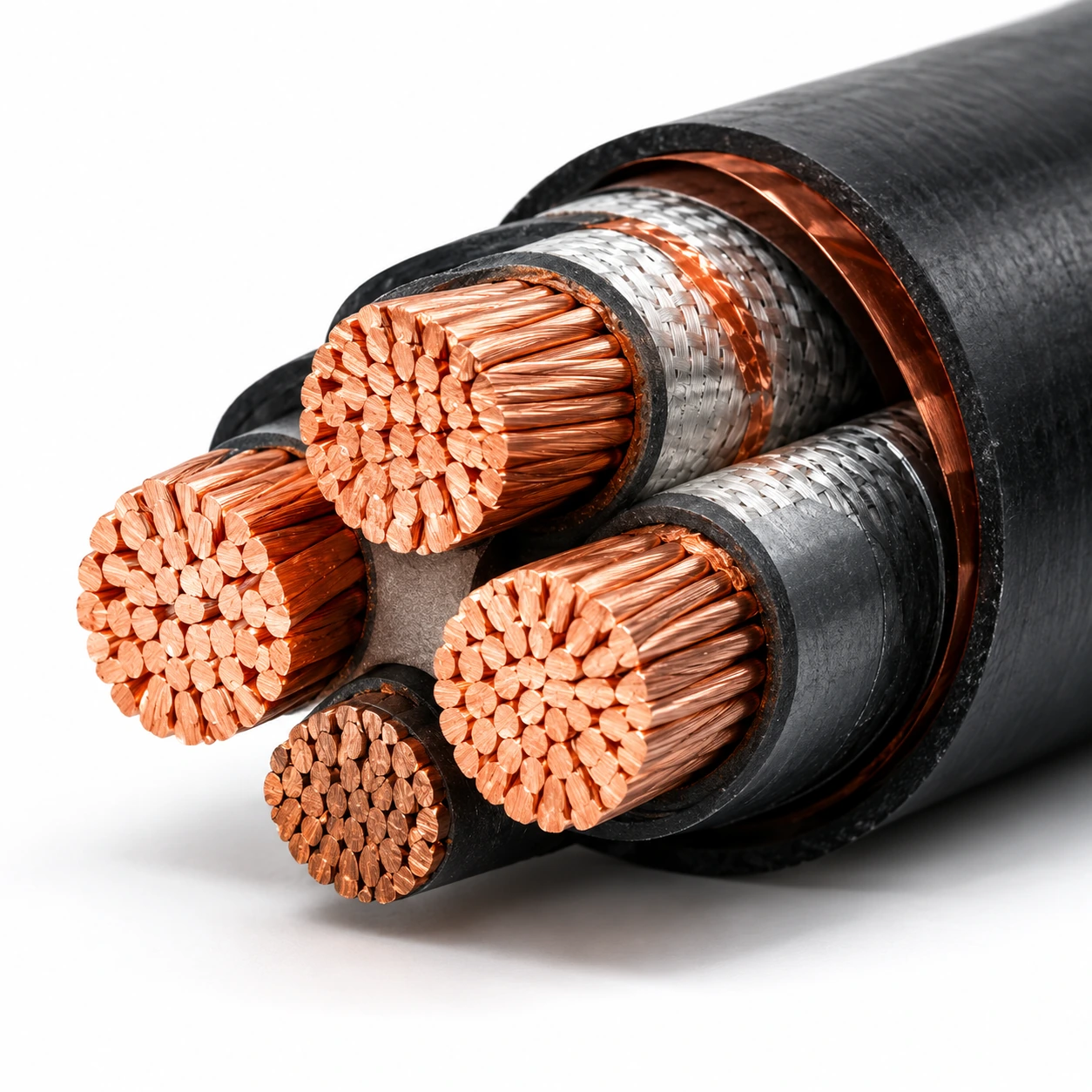
For example, a jacket-only request should specify the diameter over the assembled core. The cable extrusion selection guide shows which inputs change when the requested pass applies insulation instead.
What to ask
“Which drawing revision did you price, what material enters the first machine, and what must leave the last machine?” Ask the supplier to list any dimensions or grades it assumed.
Define what counts as production output
Write the product, unit, time period and acceptance condition beside every output target.
State whether the buying target is metres per minute during a stable run, accepted metres per shift, or finished reels per day. Give the product mix, shift length and changeovers allowed. Ask the supplier to return its figure in the same units with the material, reel and measurement conditions.
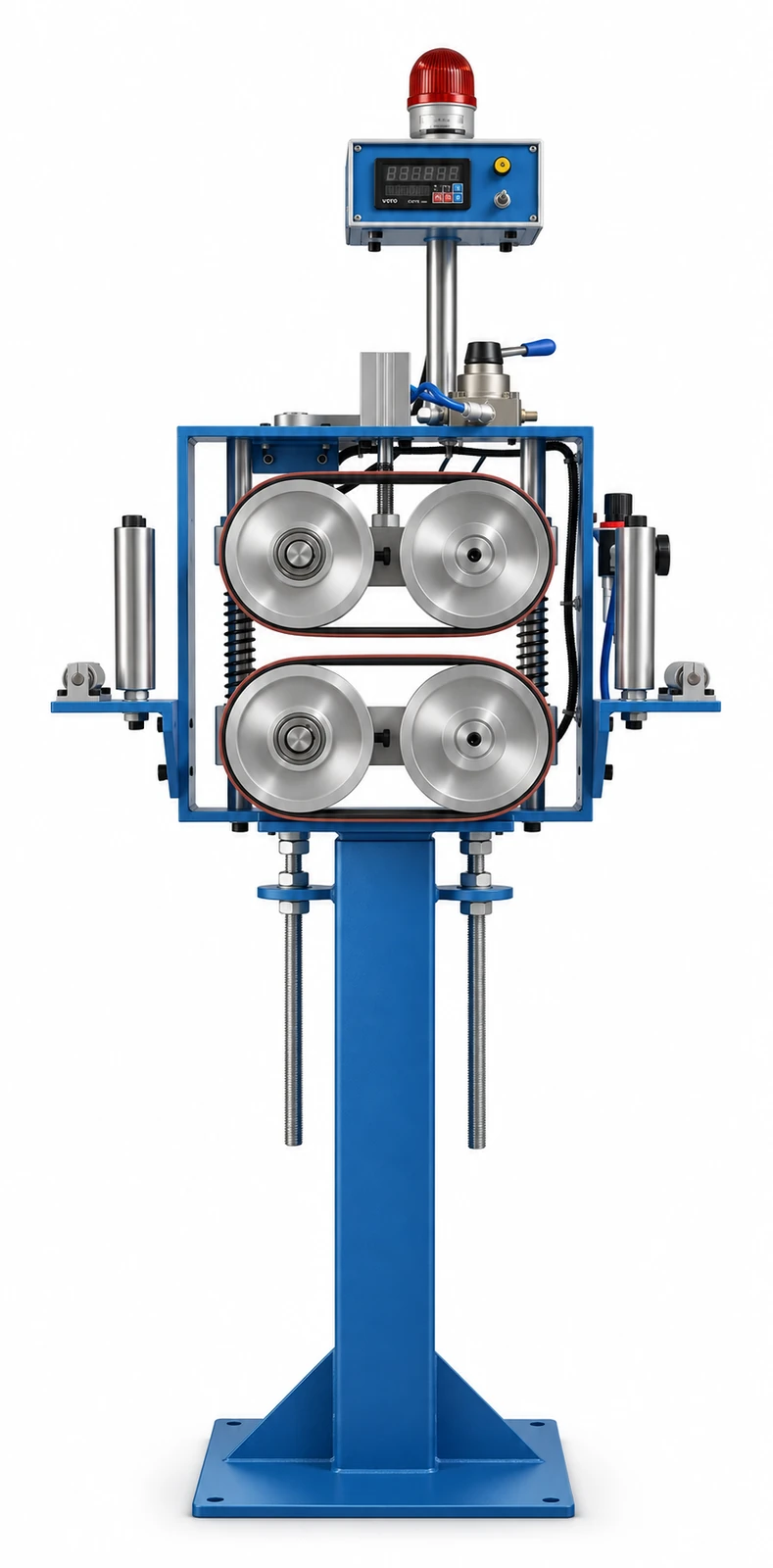
For a mixed schedule, provide one typical product and one limiting product. Use the reel specification checklist to tie each run to a realistic changeover and finished package.
Decision criterion
Compare accepted metres per shift only when both suppliers use the same cable, shift duration, changeover allowance and treatment of rejected length. Ask for the steady-run speed separately.
Draw the boundary around retained equipment
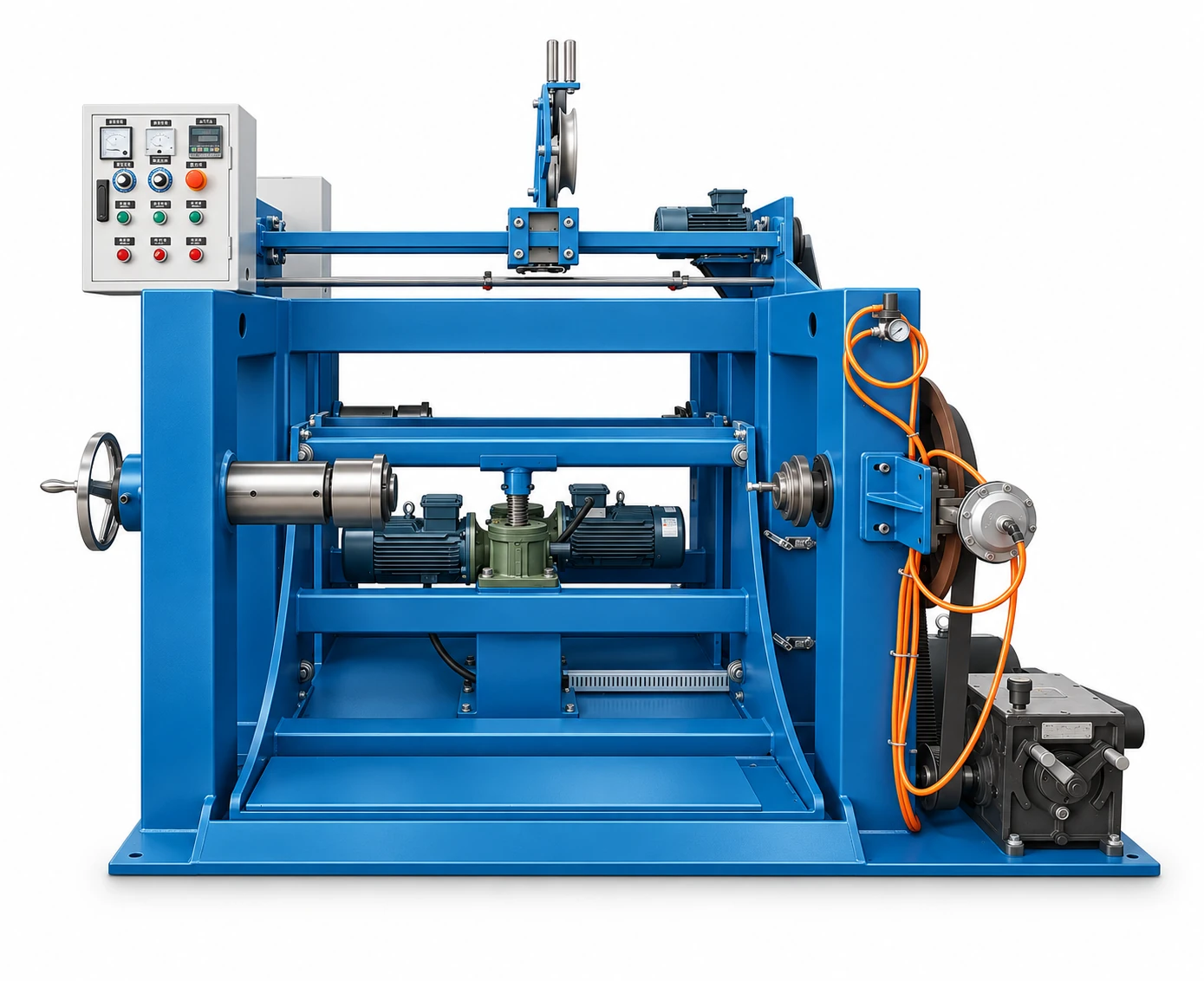
For an upgrade, draw the last retained unit upstream and the first one downstream. A line layout should show where the material passes between suppliers and where one control system hands the speed reference to the next. Attach the existing reel drawing and identify who will be present at the joint trial.
Note
If the reel drawing or control interface is still open, give the item an owner and request a provisional assumption. Keep it visible when quotations are revised.
Return the offers in one supply and exceptions table
Give each requirement an ID and four fields: requested condition, supplier response, exception and responsible party. Ask for the drawing or proposal revision alongside any exception. A blank cell is an open question. If one offer includes tooling and another lists it as optional, resolve the difference before comparing totals.
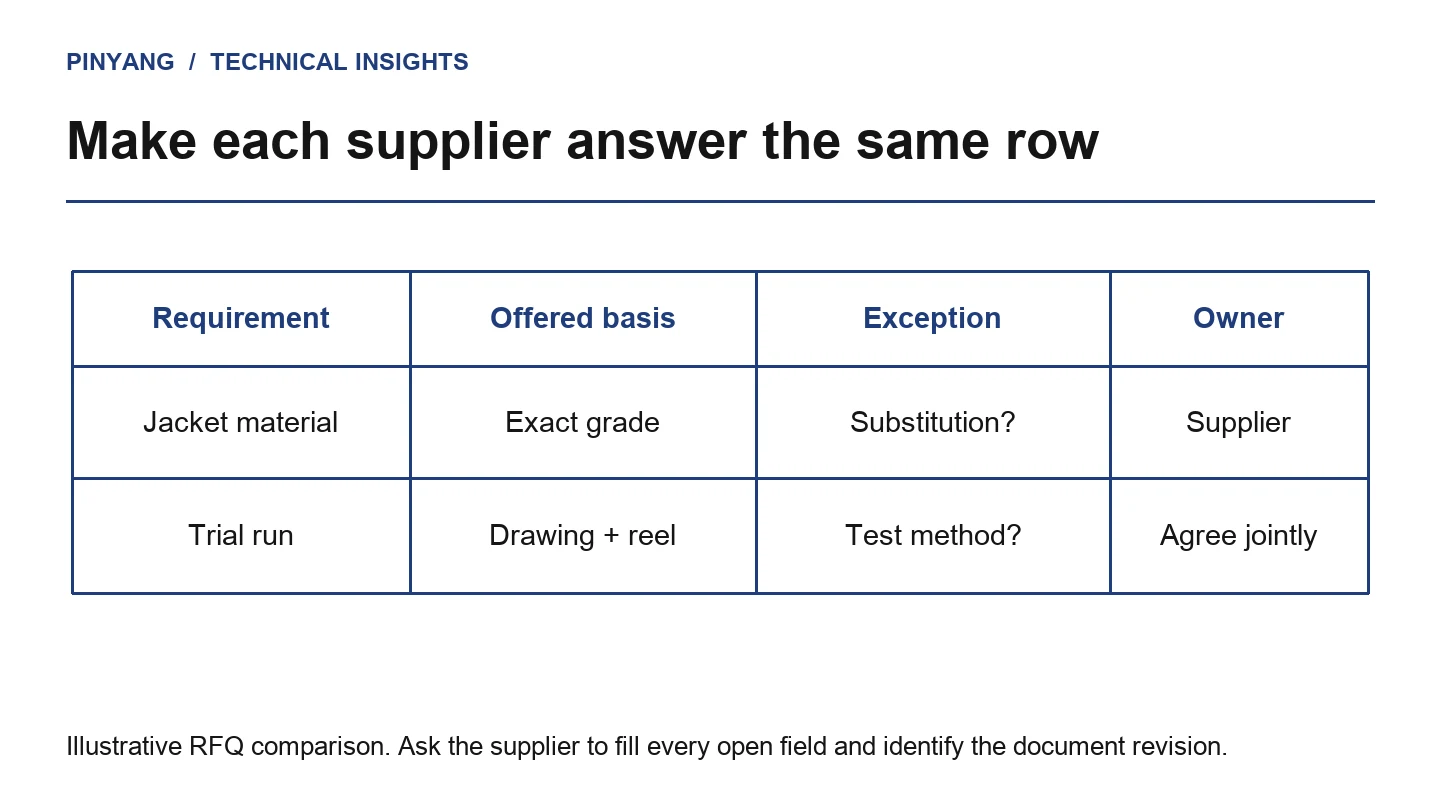
A response matrix suppliers can complete
| Requirement | Supplier response to request | Exception or owner |
|---|---|---|
| Striping on the reference cable | List the secondary feed, crosshead tooling and trial material included. | Identify optional items and who supplies the trial compound. |
| Connection to a retained pay-off | Identify the reel and the proposed speed-reference interface. | Name the party responsible for the existing controls. |
| Delivery to the named place | State the delivery rule, version and named place on each offer. | Allocate unloading, installation and site services separately. |
For delivery, write the agreed rule, version and named place. The ICC explanation of Incoterms® rules covers the allocation of delivery tasks, costs and risks. Document machinery installation, performance trials and acceptance separately.
Close each exception against a trial or signed-off drawing
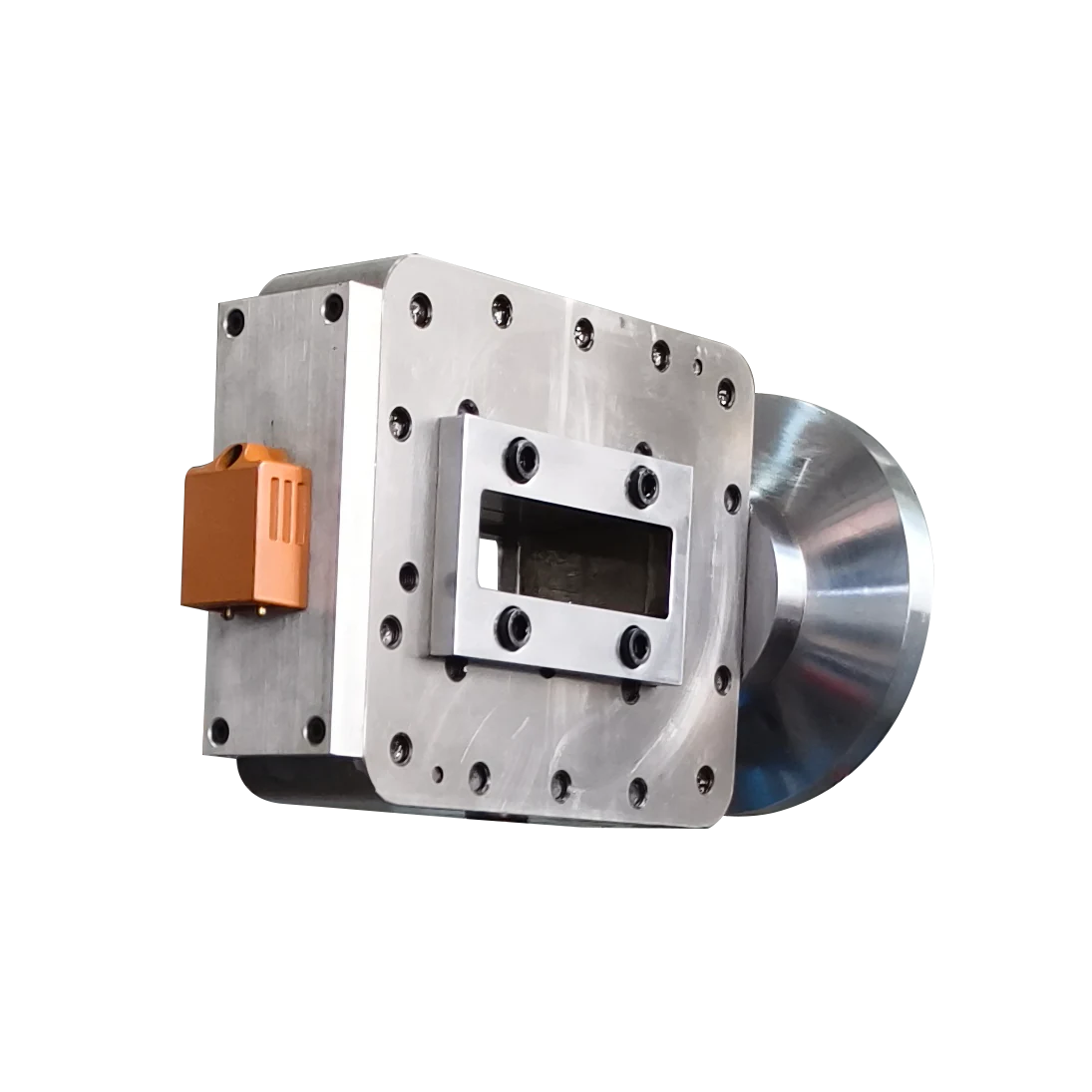
Consider a buyer who wants a colour stripe on an insulated core. Ask whether the secondary material supply and striping tooling are included, which grades are assumed and how the agreed stripe is checked on the sample. A drawing revision and labelled sample make the answer traceable. This is an illustrative requirement.
Evidence to request
Mark the items ready to circulate with the RFQ. Leave open items in the same revision so each bidder can see what is still to be agreed.
- Cable drawing, construction and material grades
- Incoming material and required operations
- Product mix, output target and working basis
- Existing machines and interface information
- Reels, utilities, layout and site constraints
- Core supply, options and customer-supplied items
- Trial materials and agreed acceptance checks
How to verify
For a stripe requirement, match the returned tooling list to the drawing, identify the material actually run, and retain the agreed labelled sample. Record who accepted it and which revision it closes.
Return a dated exception register with the evaluation. The project service responsibilities help assign site connections, installation and trial inputs. Collect the open rows in the project brief when you prepare the next technical discussion.
Your next step
Turn this guide into a useful project brief
Carry the preparation questions into your brief, then add your cable and factory requirements.
Prepare my project brief Prepared locally. No inquiry is sent.