

For a new factory, “we will make power cable” leaves the first investment undecided. Buying rod, finished conductor or insulated cores puts the first in-house operation in a different place.
Choose one cable you expect to sell and one way to buy its incoming material. You can then put a machine list, a reel route and a budget against the same first-phase plan.
Choose the first cable and the work to keep in-house
Choose a representative product, its delivery format and the first order mix. List the acceptance checks for that product. Then mark which stages your team will run, which an outside processor will perform and which semi-finished materials you can purchase to the required specification.
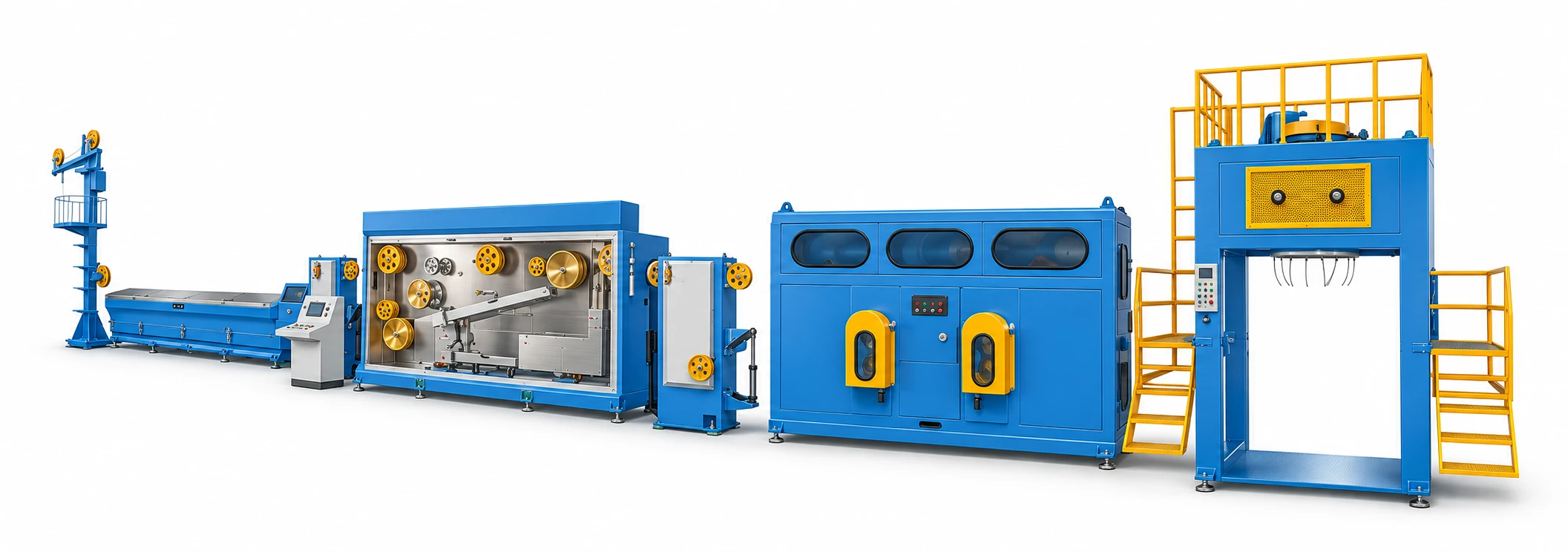
Use the cable production line comparison to trace the operation sequence. Add wire drawing and annealing only if it belongs on your side of the first-phase boundary.
How the first investment changes with the purchased material
| Initial boundary | What to review |
|---|---|
| Buy prepared conductor | Incoming supply, reel compatibility and the insulation or downstream route. |
| Prepare conductors in-house | Incoming stock, drawing/annealing and conductor formation where required. |
| Buy insulated cores or pairs | Incoming acceptance, assembly, additional layers and finished packaging. |
| Add a later production stage | Space, material movement, utilities and compatibility with the initial equipment. |
Decision criterion
Compare each option on the same finished cable and saleable delivery quantity. Include the inspection, inventory and reel handling that come with the purchased material.
Walk a loaded reel from receiving to dispatch
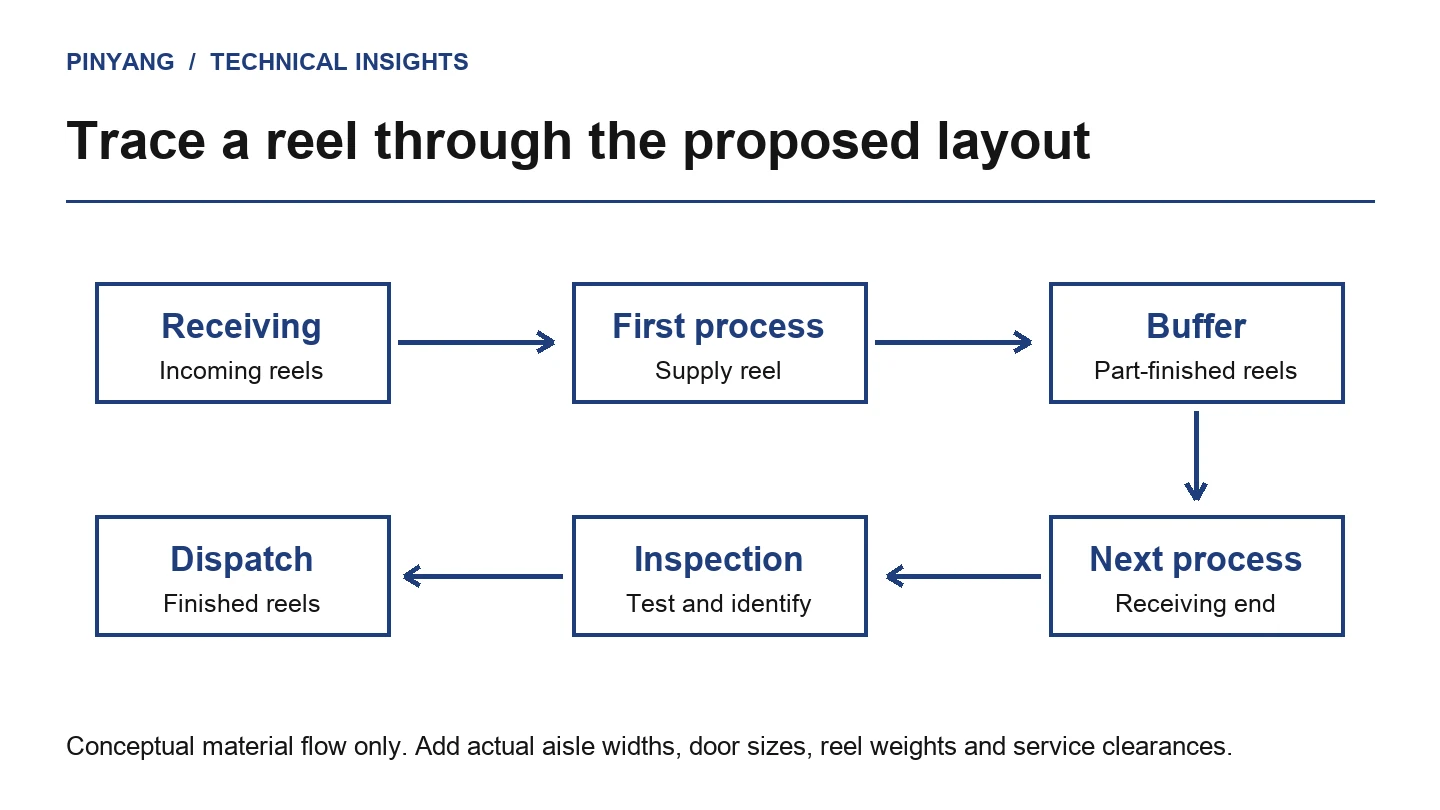
Draw one receiving reel and one finished reel to their actual diameters on the floor plan. Follow the loaded route through doors, turns, buffers and machine loading positions. Separately trace pedestrian travel, material removal and maintenance access. Mark changes in floor level and the location of lifting equipment for site review.
What to ask
“Where does the next reel wait while the machine is running, and can the full reel get out while that space is occupied?” Mark both positions on the same floor plan.
The UK Health and Safety Executive’s site layout and internal traffic checklist gives practical questions about vehicle and pedestrian routes. Use local requirements and a site-qualified review to set dimensions.
Separate machine cost from the cost of getting the plant ready
Build one worksheet with a separate line for process machines, handling equipment, test equipment, tooling, utilities, civil works, installation and working capital. Give every line a currency, quantity, supply owner and quotation status. Keep installation assumptions visible beside the number.
| Package | Typical planning items |
|---|---|
| Equipment | Process machines, handling, controls, tooling and agreed inspection. |
| Site preparation | Space, access, utilities, material storage and installation responsibilities. |
| Start-up resources | Materials, trial production, consumables, people and working capital. |
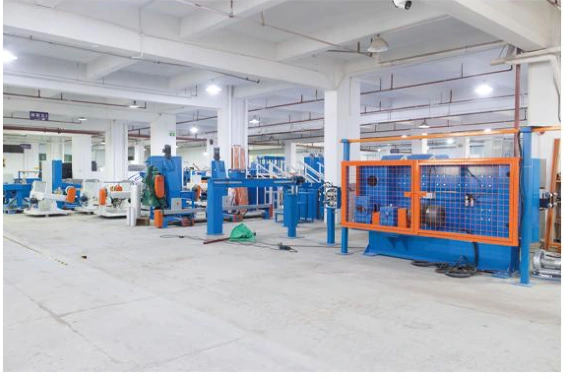
Changing the purchased input can move cost from machines to materials, inventory and incoming inspection. Compare both routes using the same cable mix, shift basis and saleable output. The investment-planning section identifies inputs for a first discussion.
Put a name against each site connection and trial input
For each connection, record the machine supplier’s requirement, the site’s available service, the connection point and the owner of the last connection. Review foundations, power, water and drainage against the actual machine list and building.
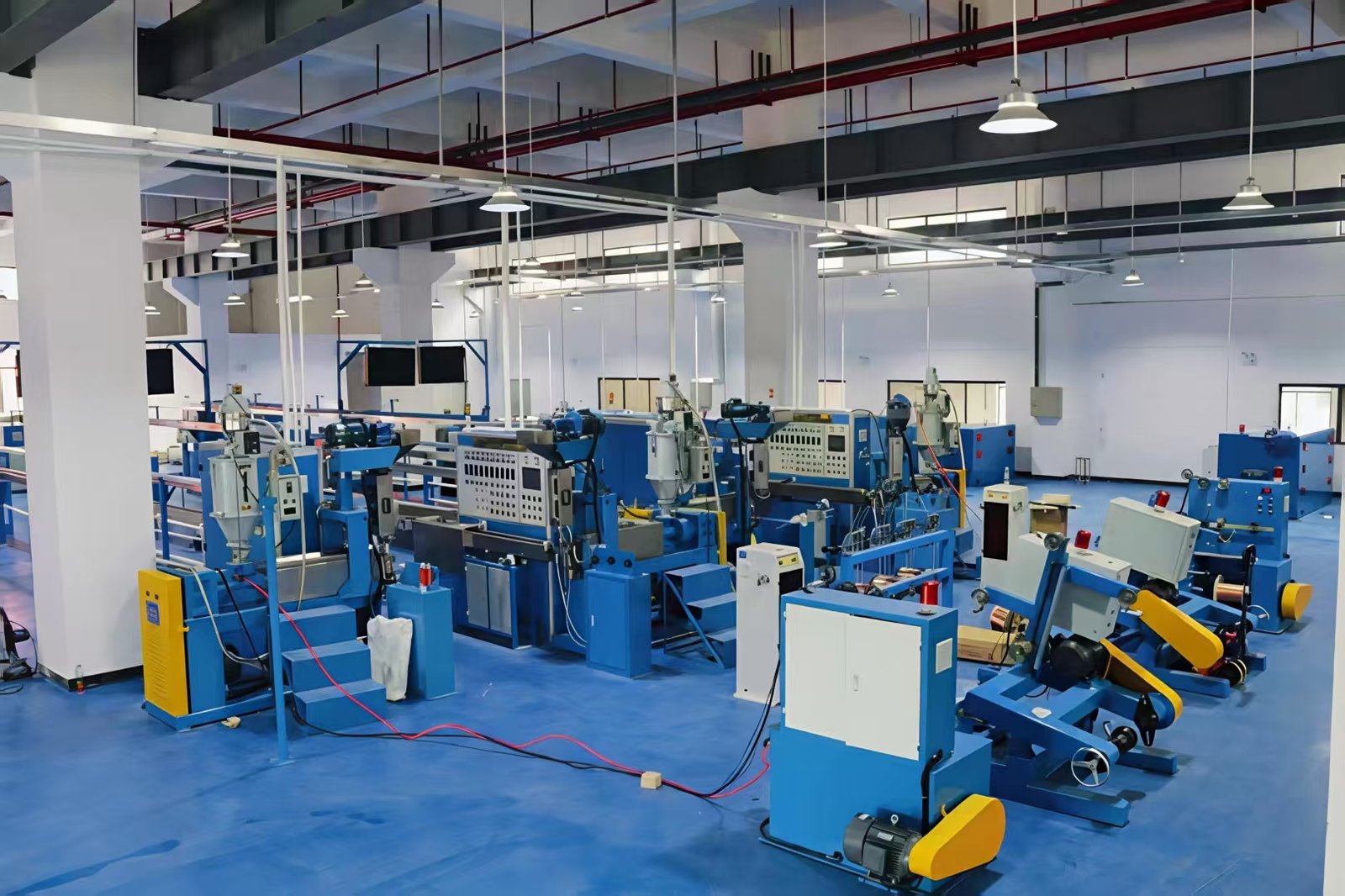
Documents for the site review
- A marked-up layout showing incoming reels, machine access, transfer points and dispatch.
- A utility schedule showing the required service at each machine and the available site connection.
- A responsibility register naming the owner, open question and next drawing revision for each interface.
Planning checklist
Mark the evidence available for phase one before you release the request for quotations.
- Priority cable range and representative drawings
- Starting material and in-house operations
- Required output and planned working hours
- Available floor area and access
- Power, cooling and other utilities
- Phase-one scope and future expansion
Before treating two package prices as comparable, reconcile open items with the service responsibility breakdown. Carry the unresolved rows into the RFQ comparison.
Your next step
Turn this guide into a useful project brief
Carry the preparation questions into your brief, then add your cable and factory requirements.
Prepare my project brief Prepared locally. No inquiry is sent.