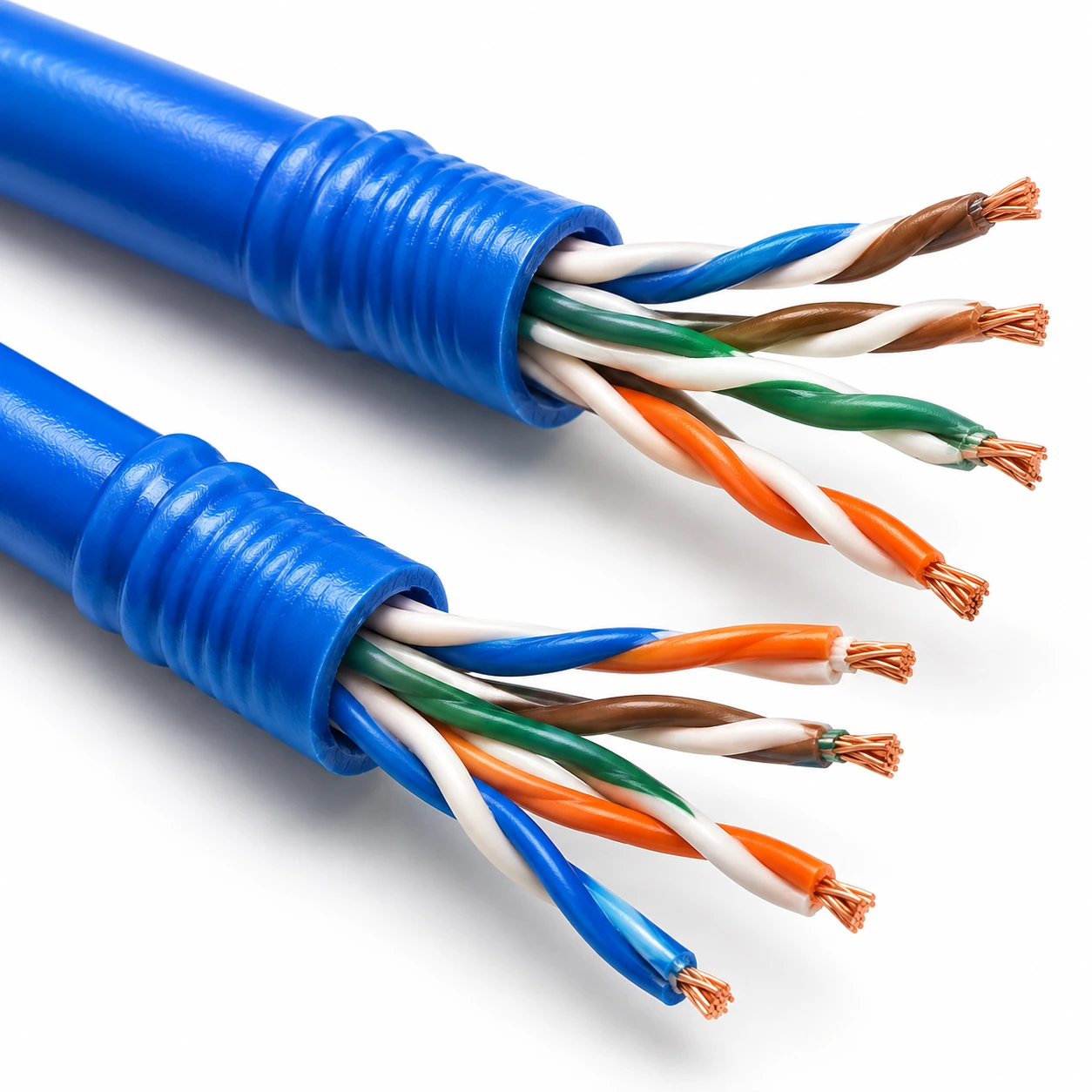
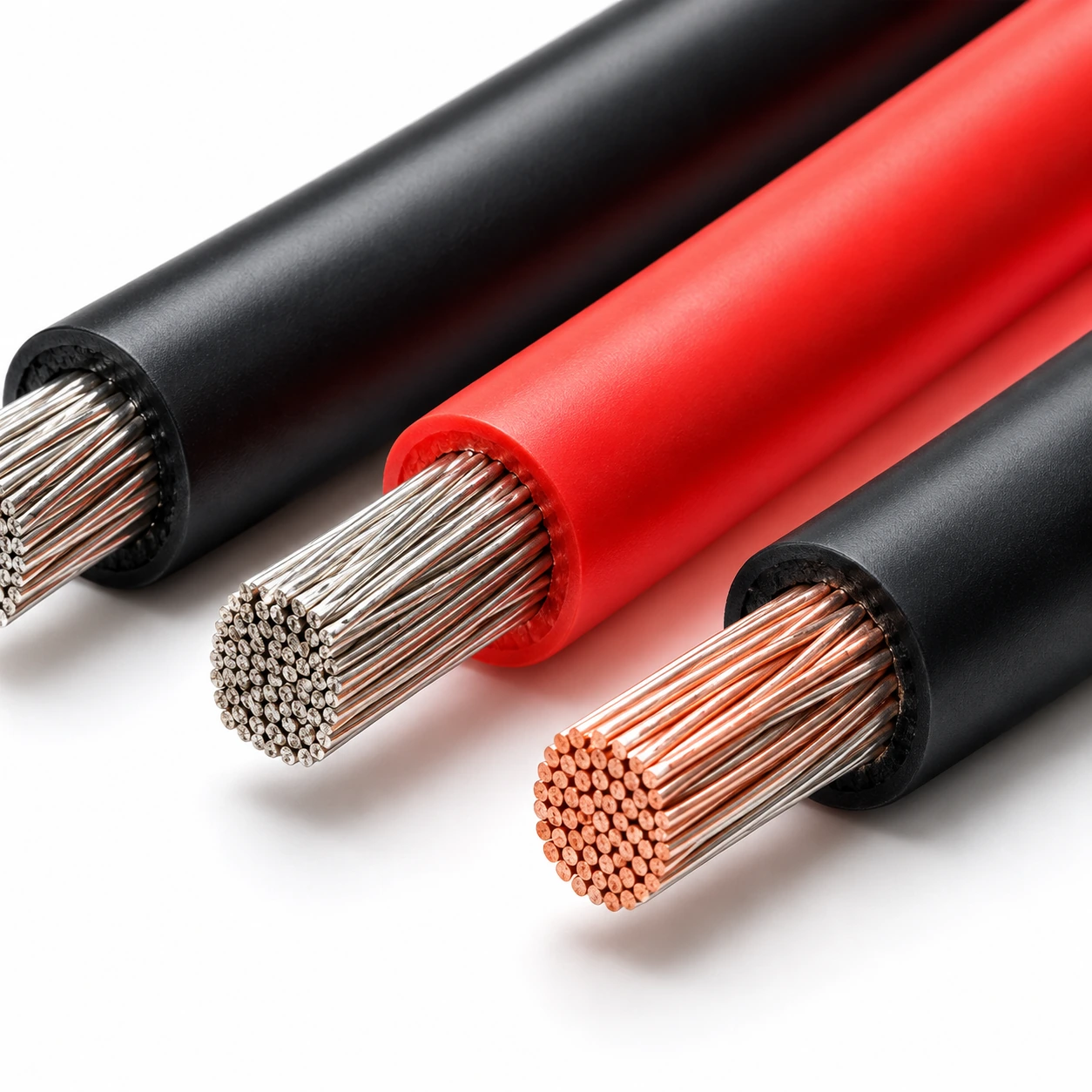
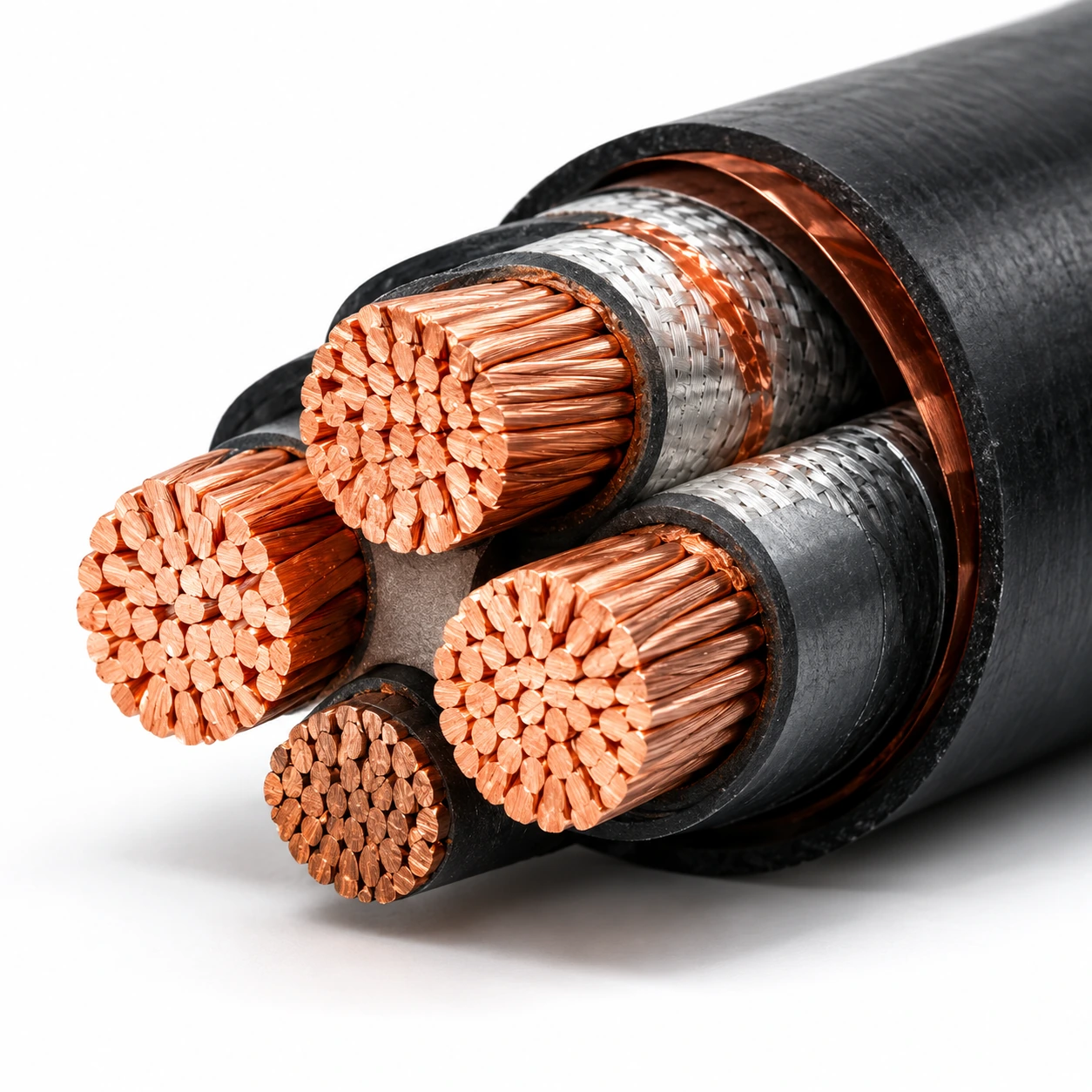
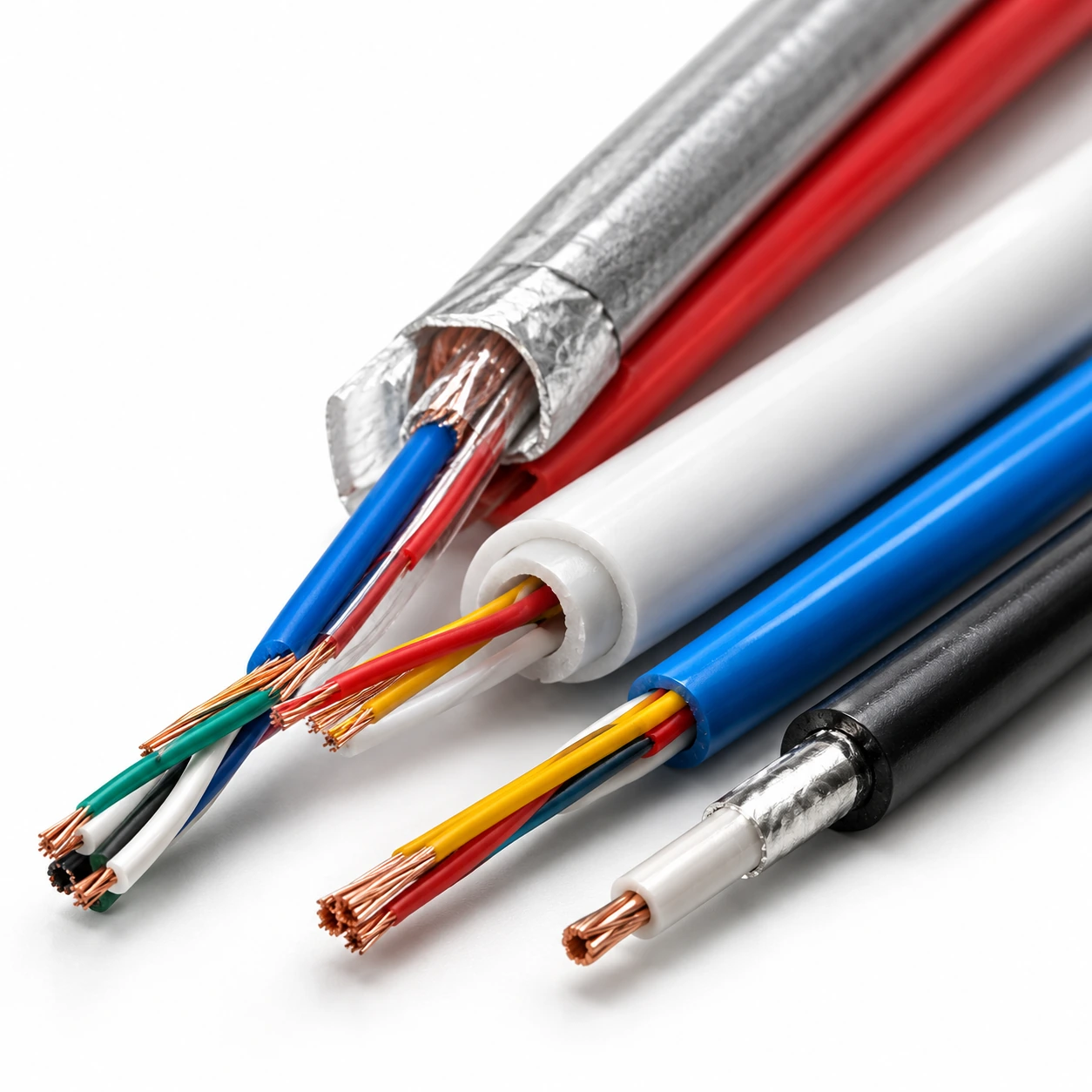
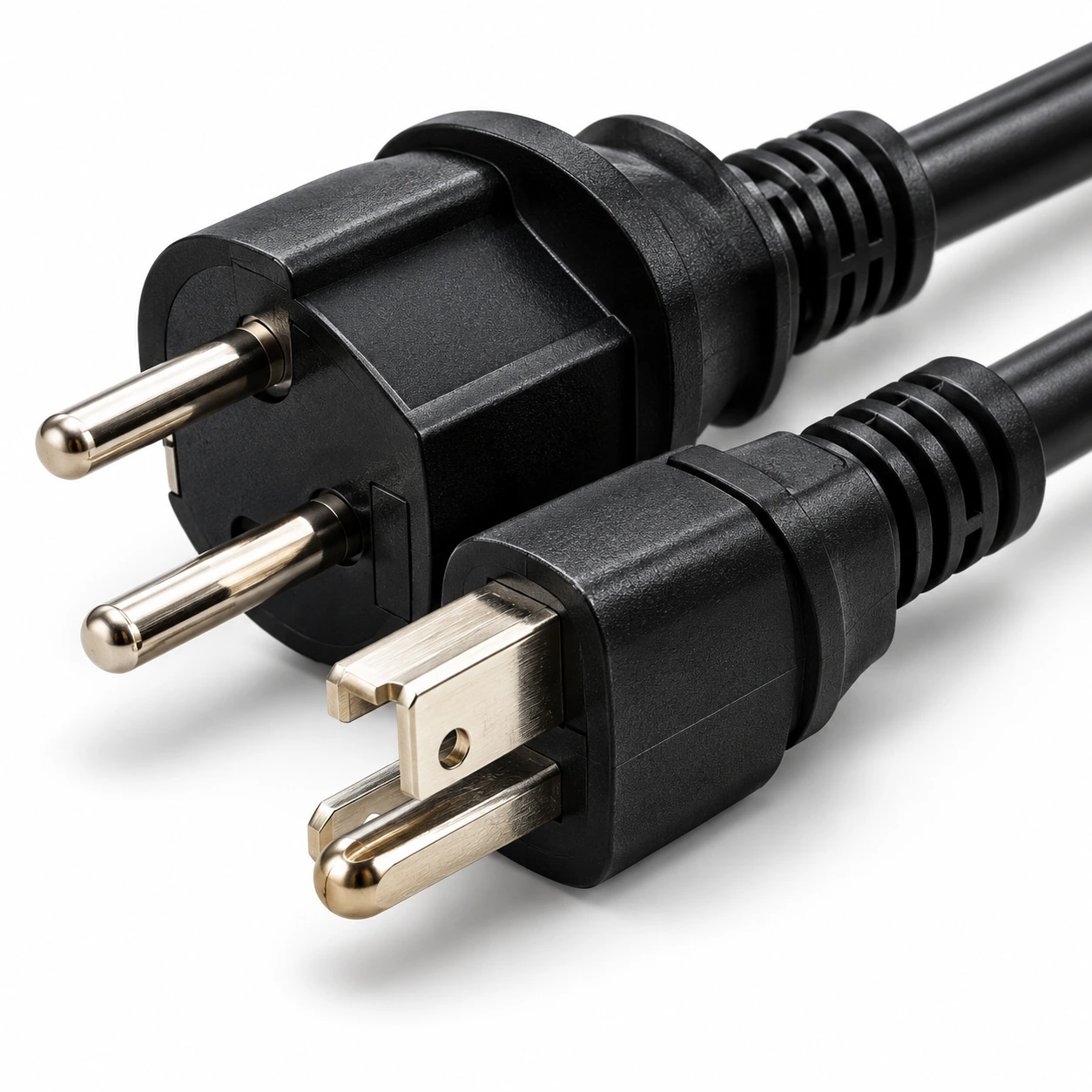
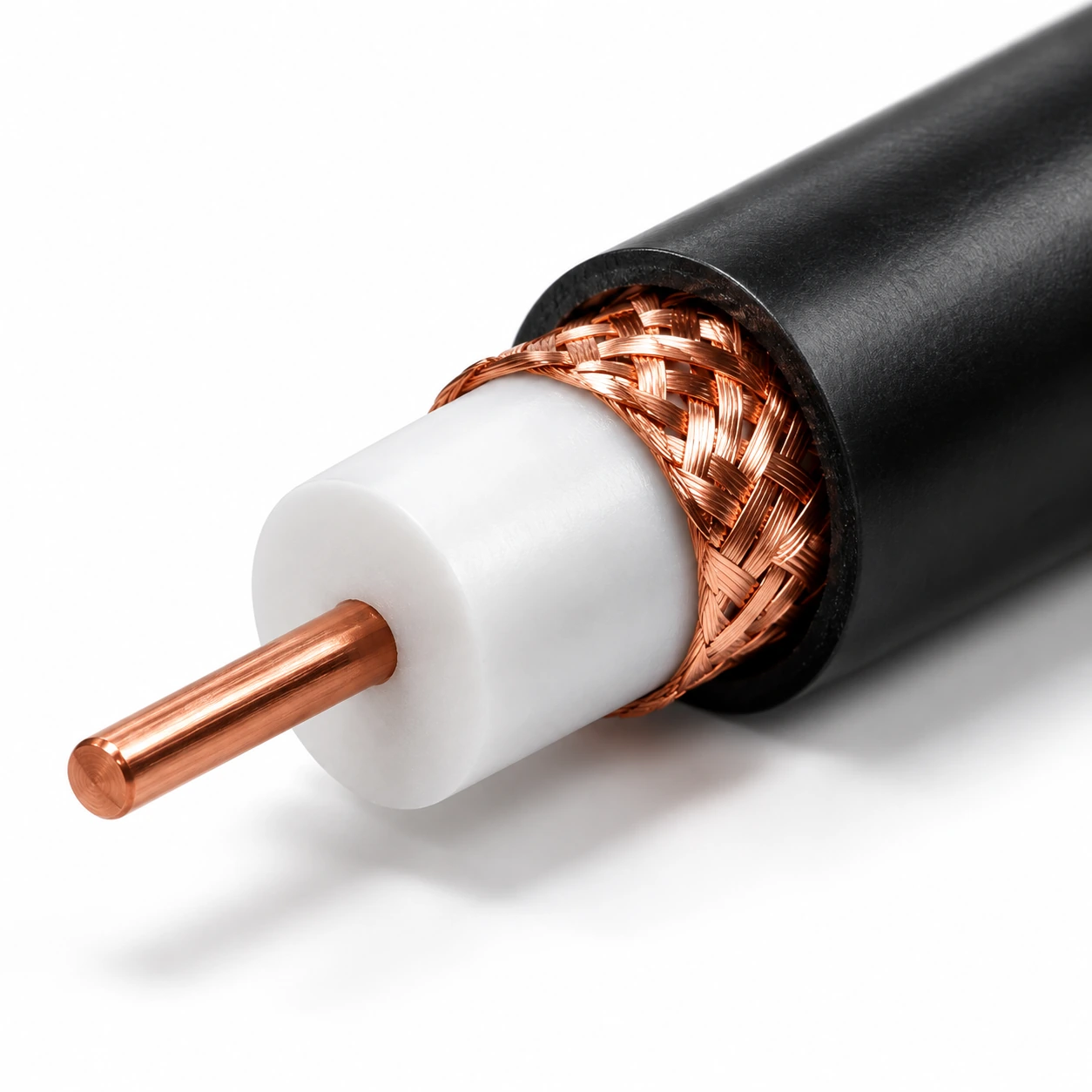
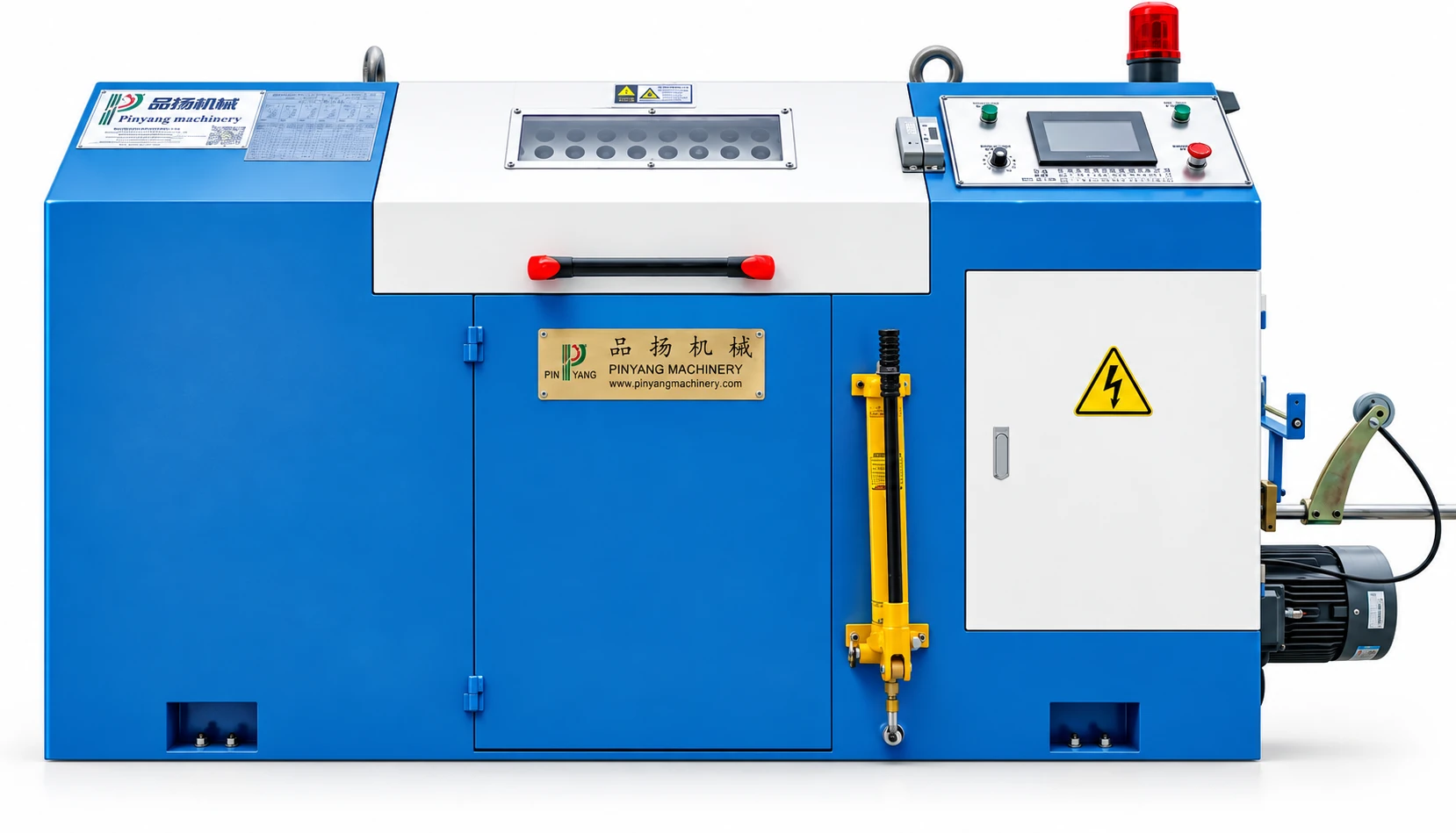
Can one factory produce more than one of these cable types?
Some process families are shared, but material systems, dimensions, tooling, tension, reels and controls must match each product. Compare representative cable drawings and the intended production mix before deciding which equipment can be shared.
What if we have a sample but no complete drawing?
Record the intended use, marked product designation, visible construction, approximate dimensions and known materials. Identify unknowns instead of guessing. A sample and the applicable product requirements can support a technical discussion, but they do not yet define a machine specification.
Should we buy a complete line or start with semi-finished material?
Compare the same finished cable under both scopes. Buying conductor, insulated cores or assembled cable can reduce the initial machine list, while adding supplier quality, material cost, stock and delivery dependencies. Confirm the interfaces needed for a later in-house stage.
Can existing equipment be included in the plan?
Provide its model, condition, working range, reels, utility needs and controls, together with actual production records. Review each interface and the current bottleneck; a similar machine name is not sufficient evidence of compatibility.
What makes two line quotations genuinely comparable?
Use the same cable drawings, incoming materials, working output basis and finished package. Compare the included machines, auxiliaries, tooling, utilities, trial plan and support, with specialist processes, freight, installation responsibilities and exclusions clearly identified.