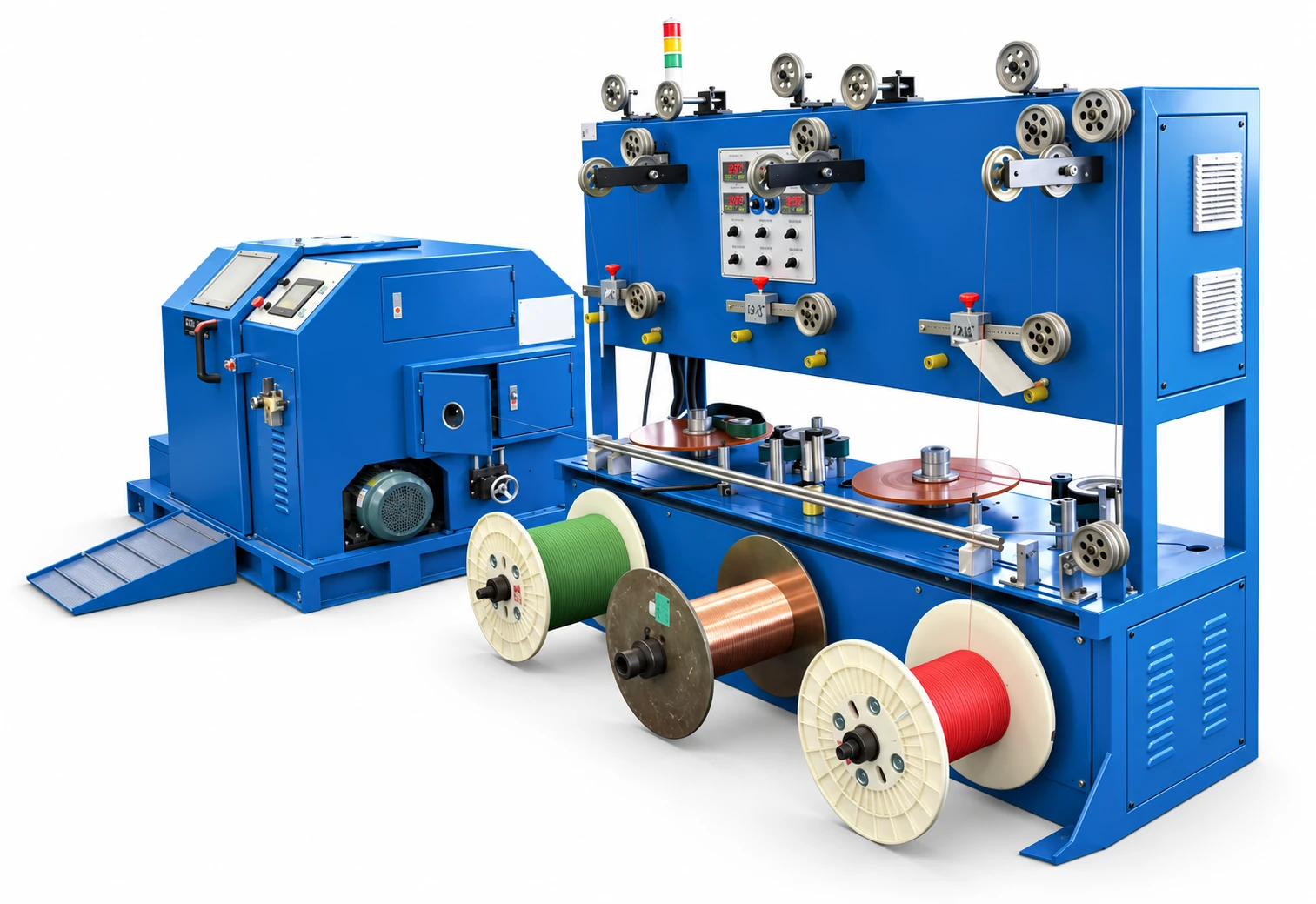
Wire & Cable Manufacturing Equipment

Compare drawing, bunching, twisting, extrusion and auxiliary equipment. Start with your production stage or the cable you want to make.

Explore the selection guide
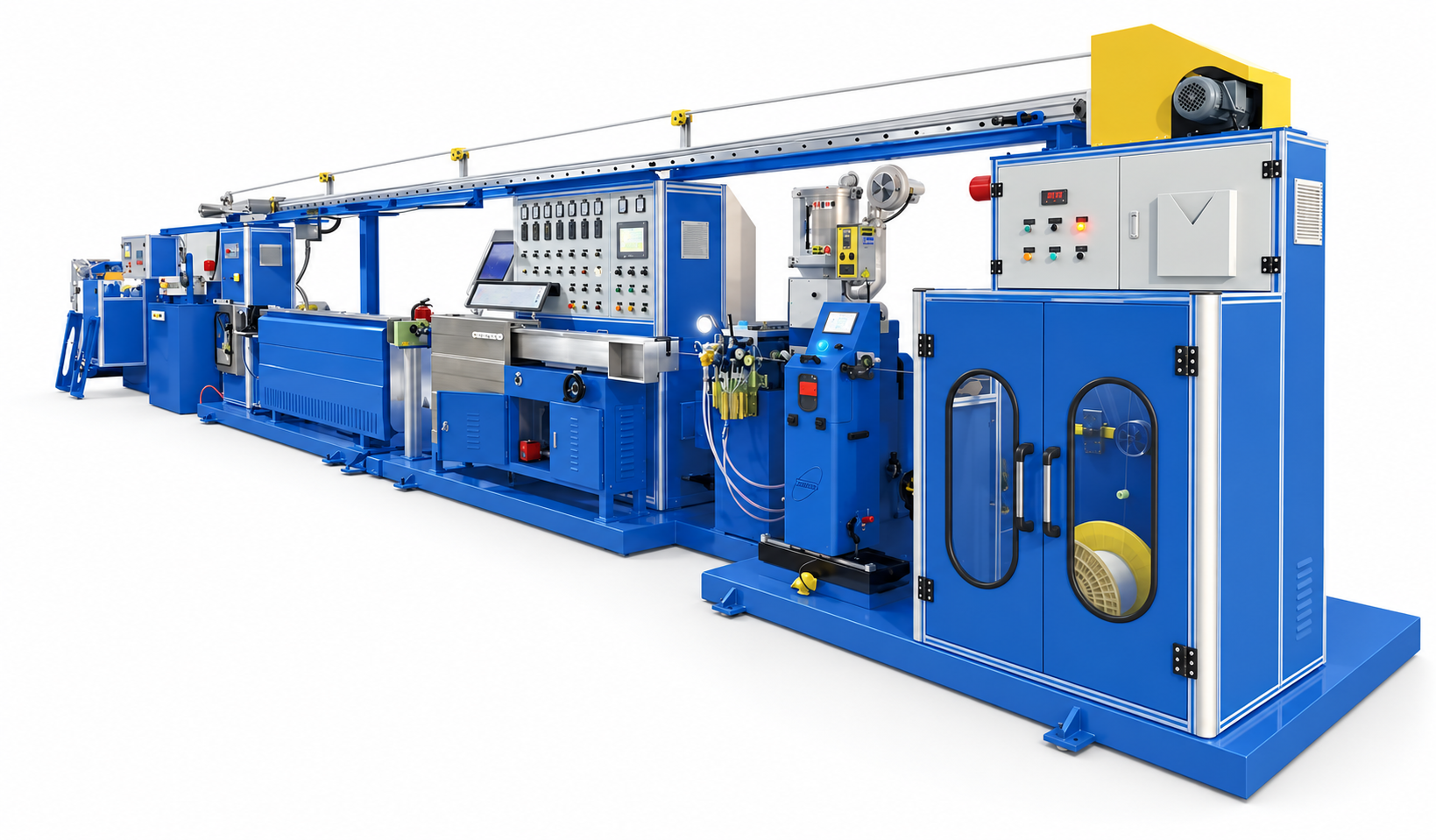
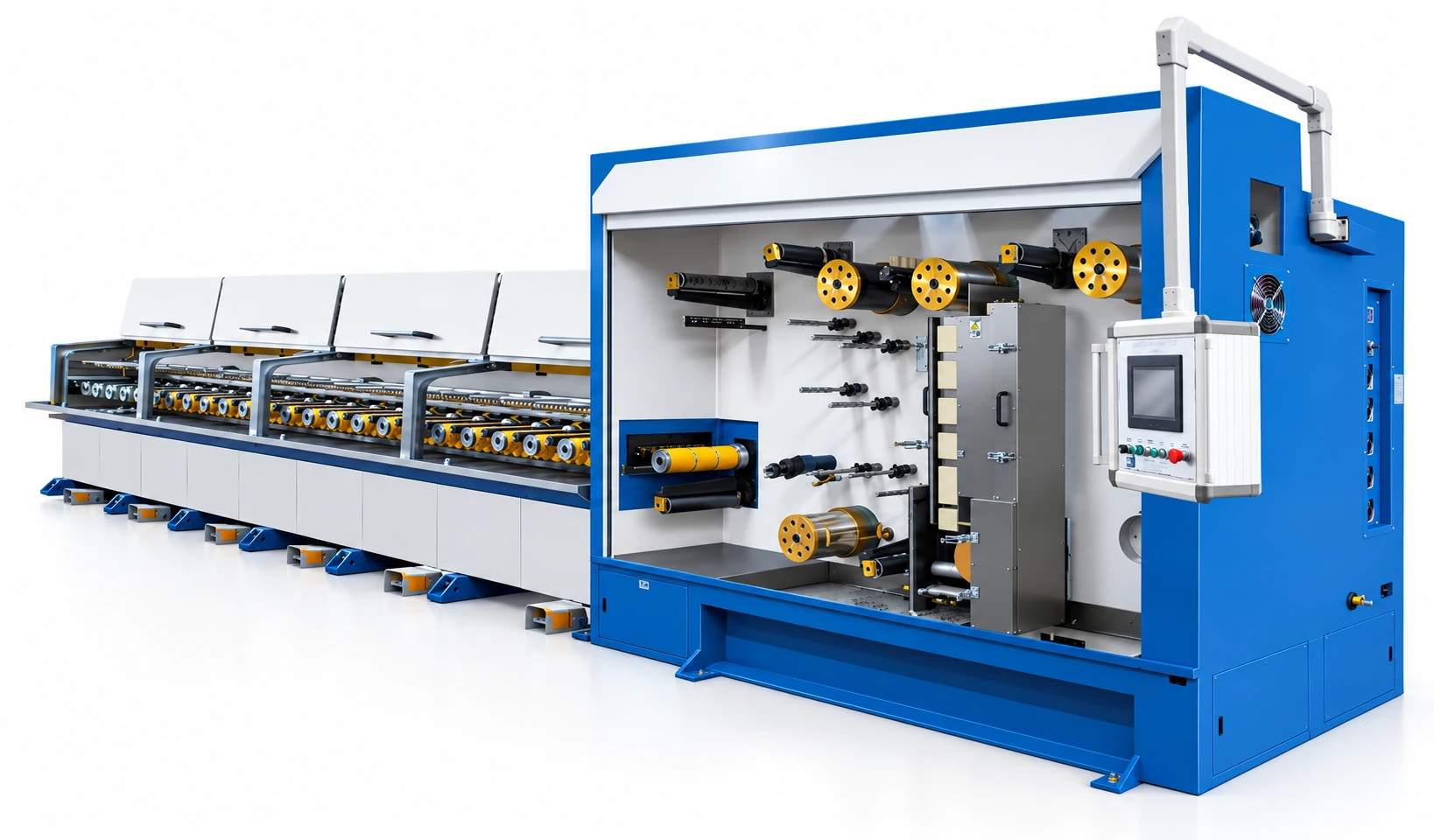
Ultra-fine fluoropolymer wire extrusion line

Start from the decision you need to make.

Browse directly, match a cable project, or define a first factory scope. You do not need a complete specification to begin.

Add to existing production

Find the production line or operation you want to add, then compare the relevant equipment.

Browse lines & equipment ↗

Turn a cable requirement into equipment

Use your cable type and incoming material to review the operations that belong in the project.

Match your cable project ↗

Plan a new factory scope

Understand the equipment, factory and start-up items before requesting a budget proposal.

Review investment scope ↗

Explore the complete production route

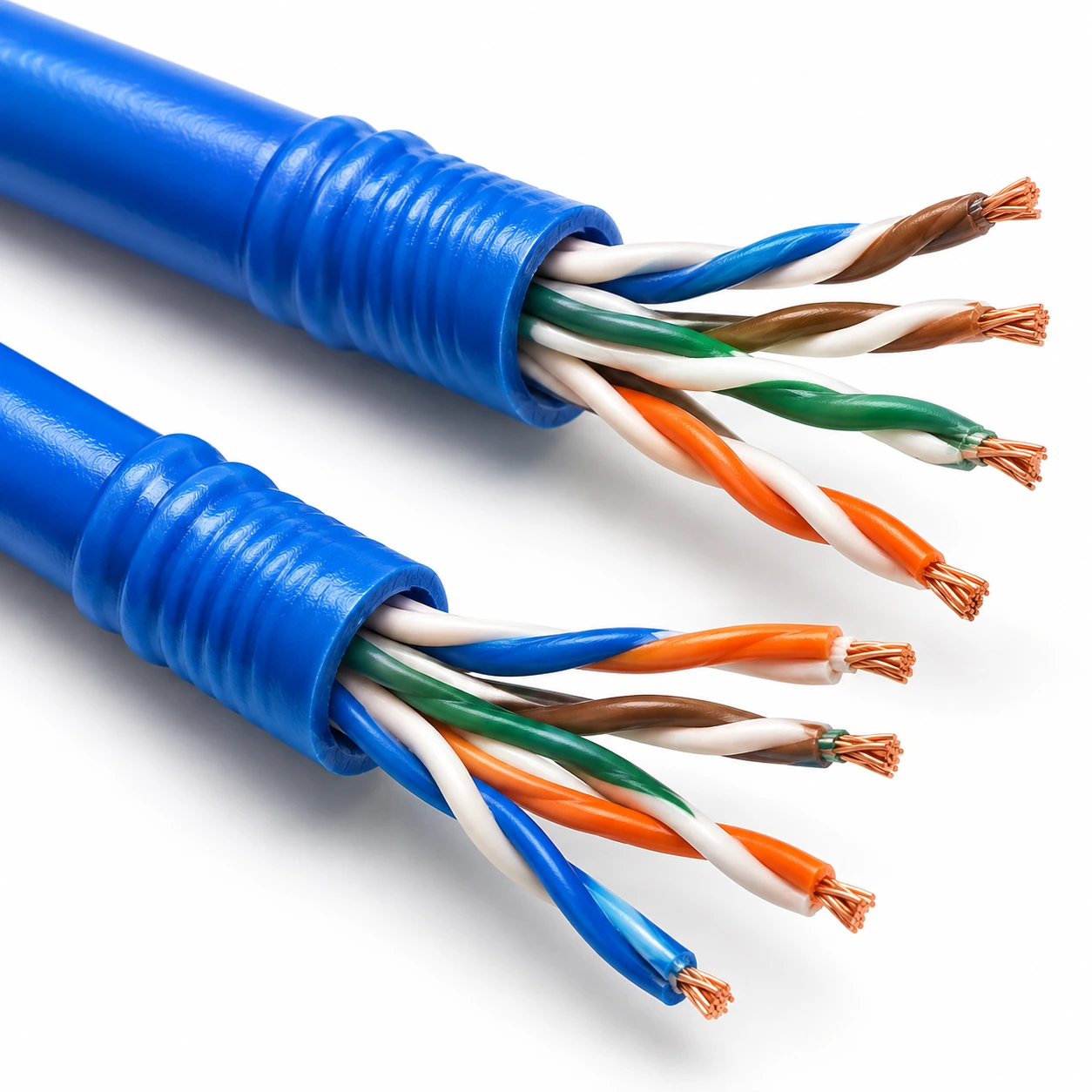
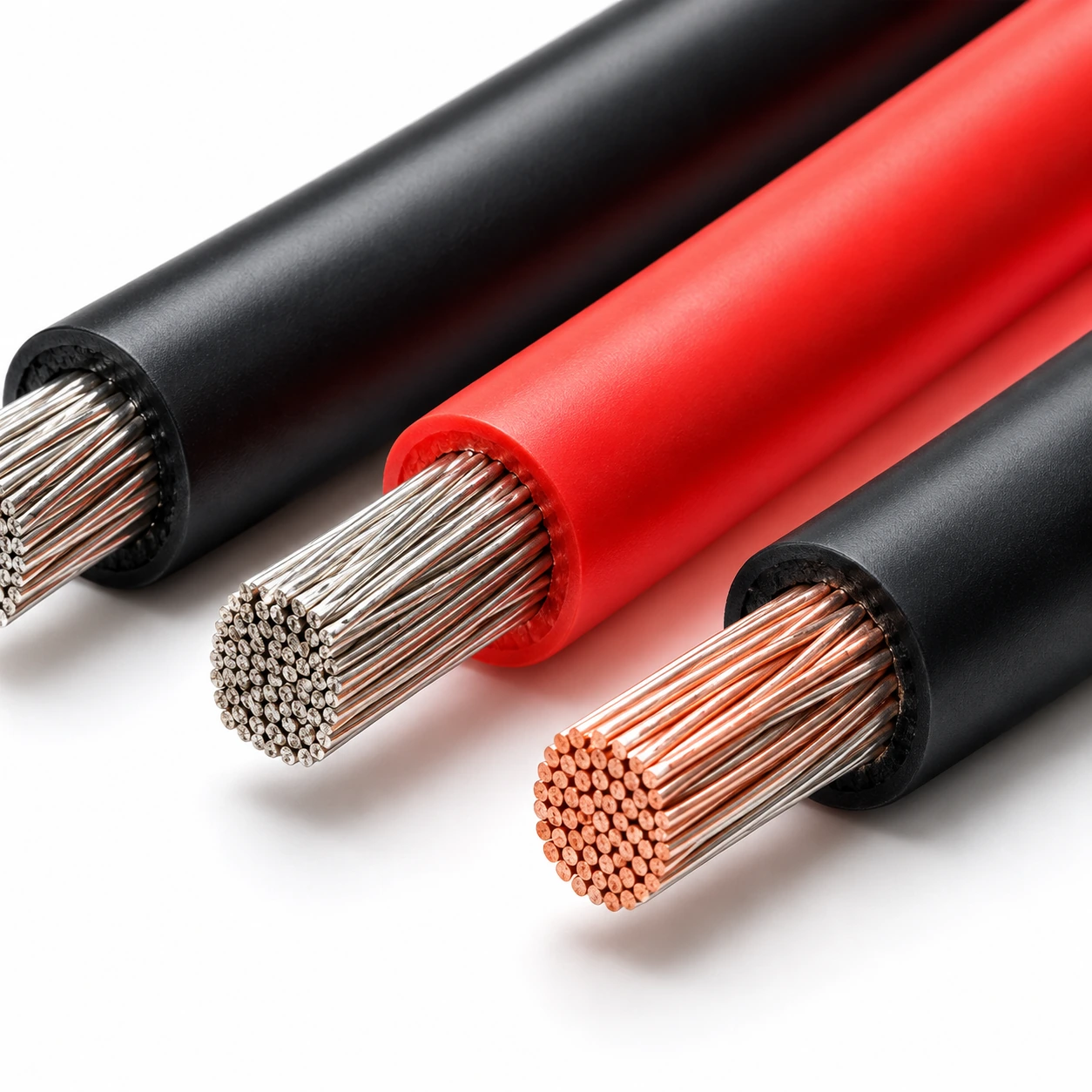
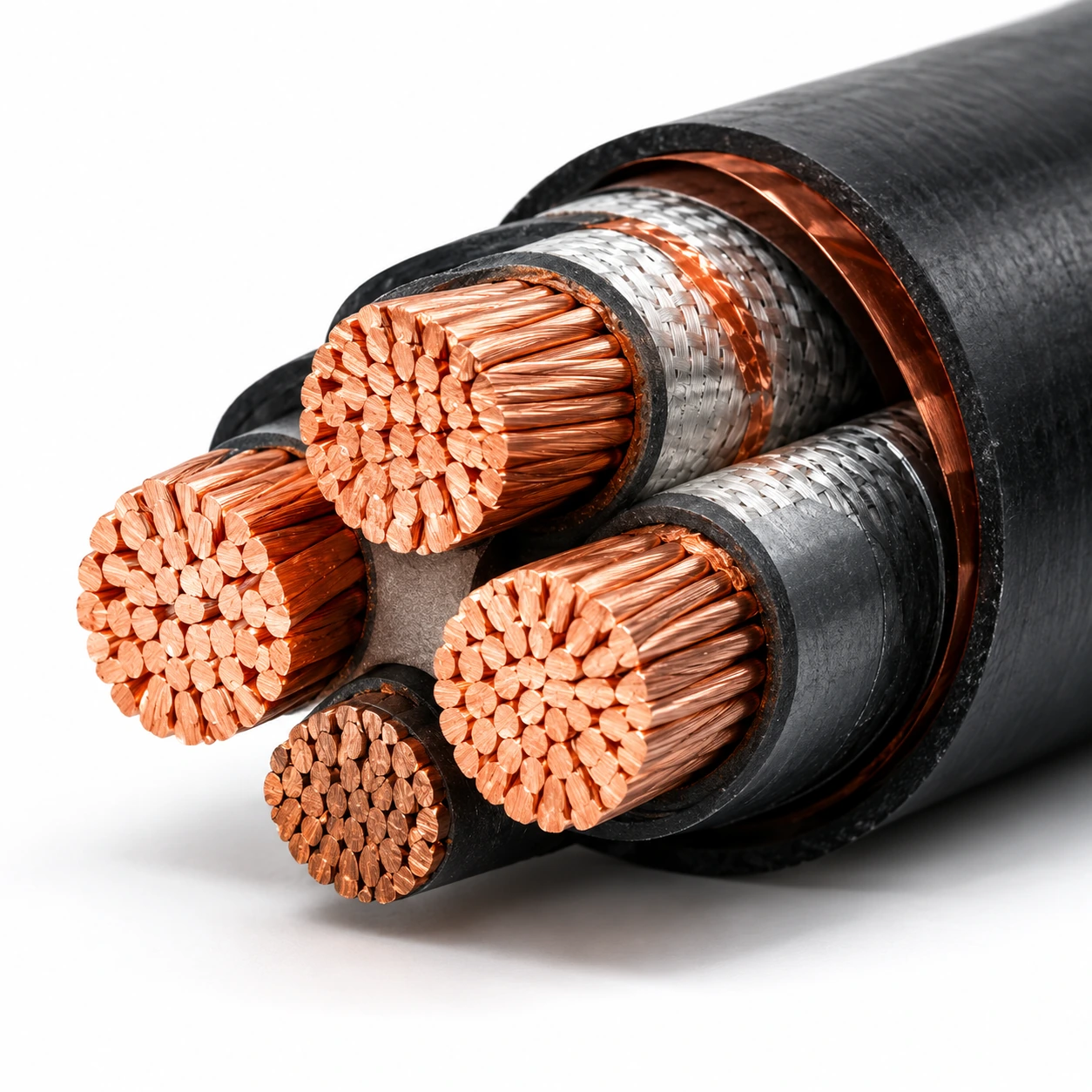
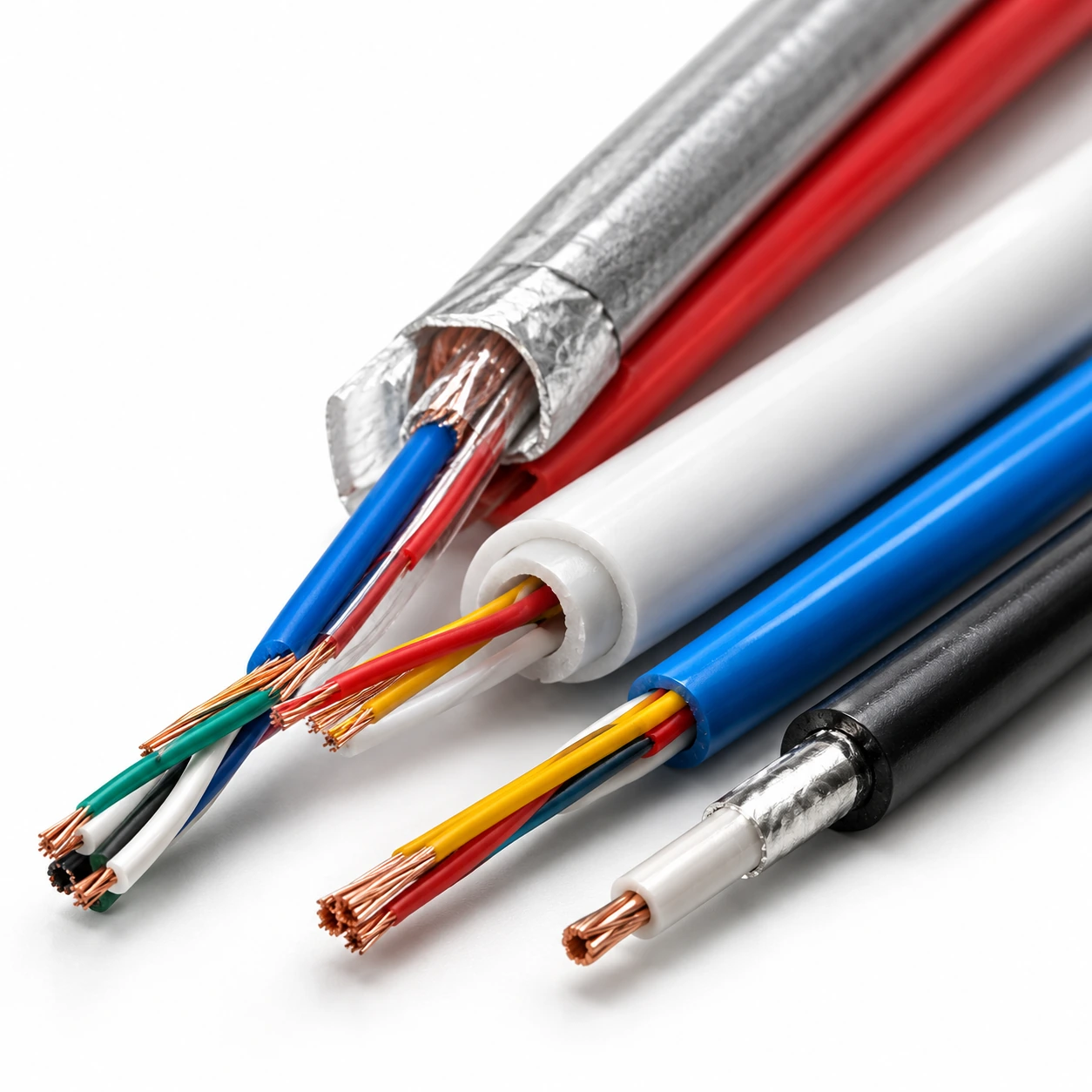
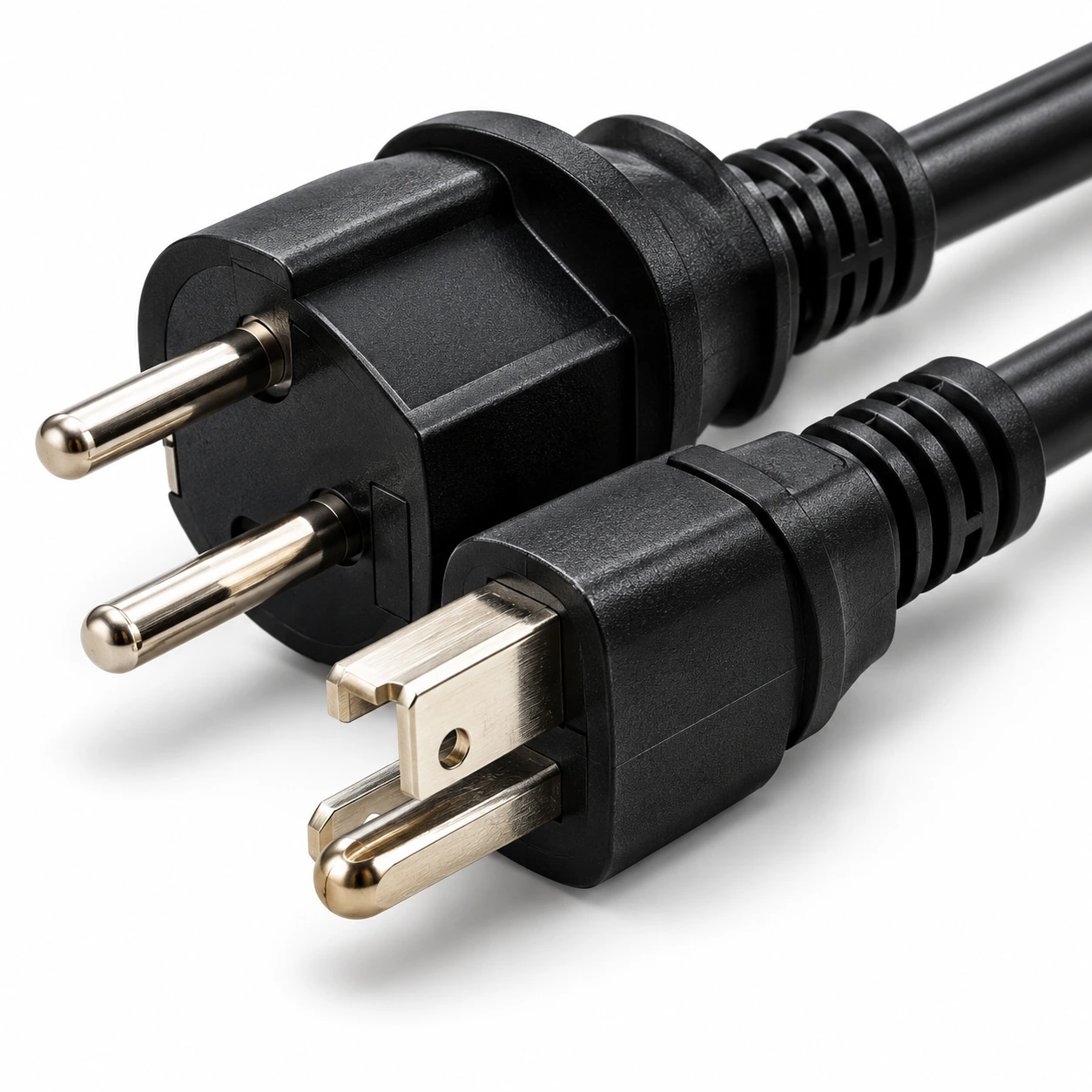
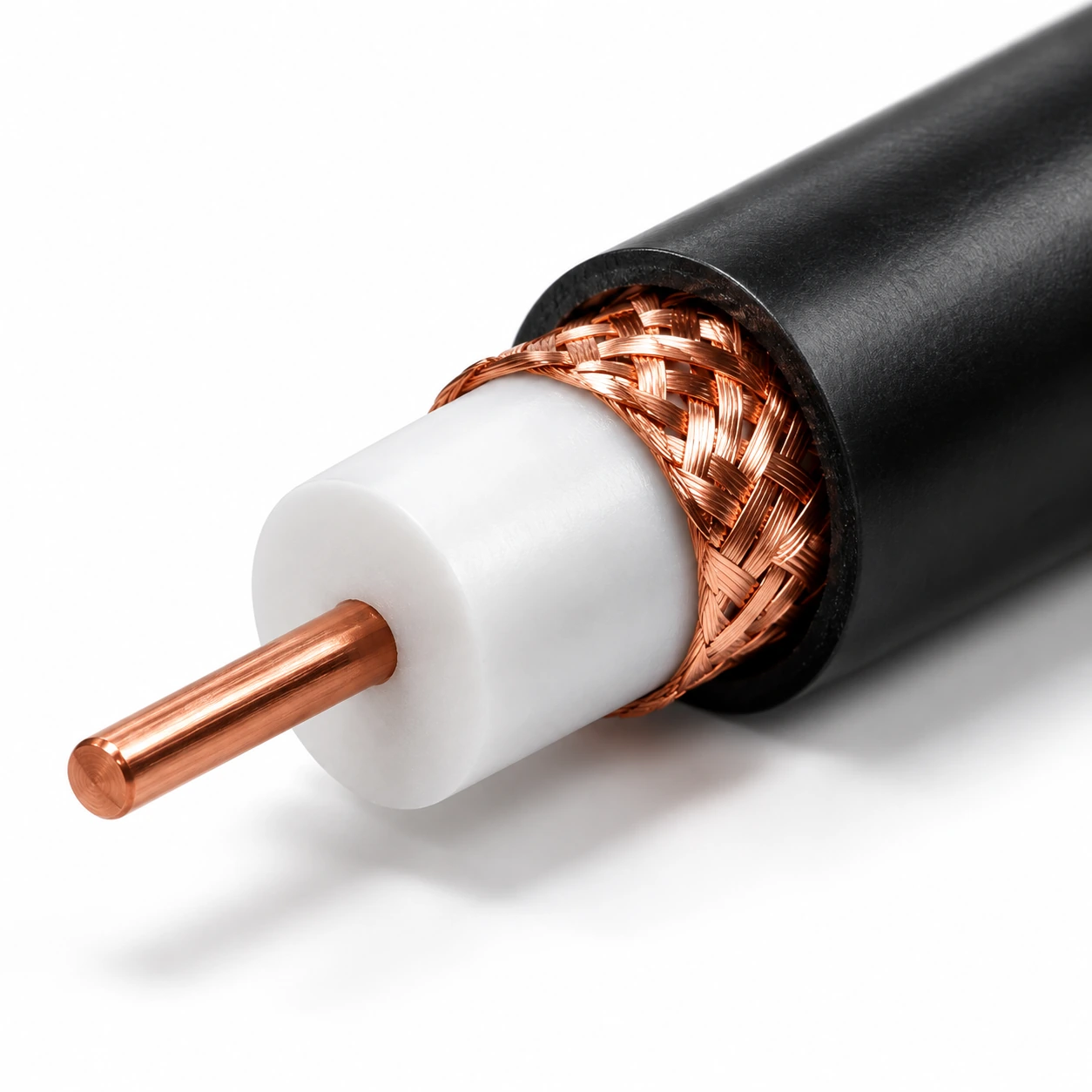
Cable images are illustrations.

For a known machine, continue to the five equipment families below. Line pages show the whole route; equipment pages compare the operation and configuration.

Find your starting point.

Choose your cable, then compare the machines that perform each operation.

Cable images are illustrations.

Five equipment families. One connected process.

5 equipment families to explore

Explore the equipment

Select 2–3 families to compare their duties.

Wire Drawing & Annealing
Conductor preparation

Wire Drawing & Annealing Machines

Rod breakdown · Intermediate · Fine & micro wire · Multi-wire

Input
Specified rod or wire feedstock
Output
Wire prepared for the next process
Check the fit

Drawing changes the wire size. It does not combine wires into a conductor or apply insulation. If suitable finished wire is purchased, first confirm whether this stage is needed.

Before comparing modelsIncoming wire, finished diameter and conductor material
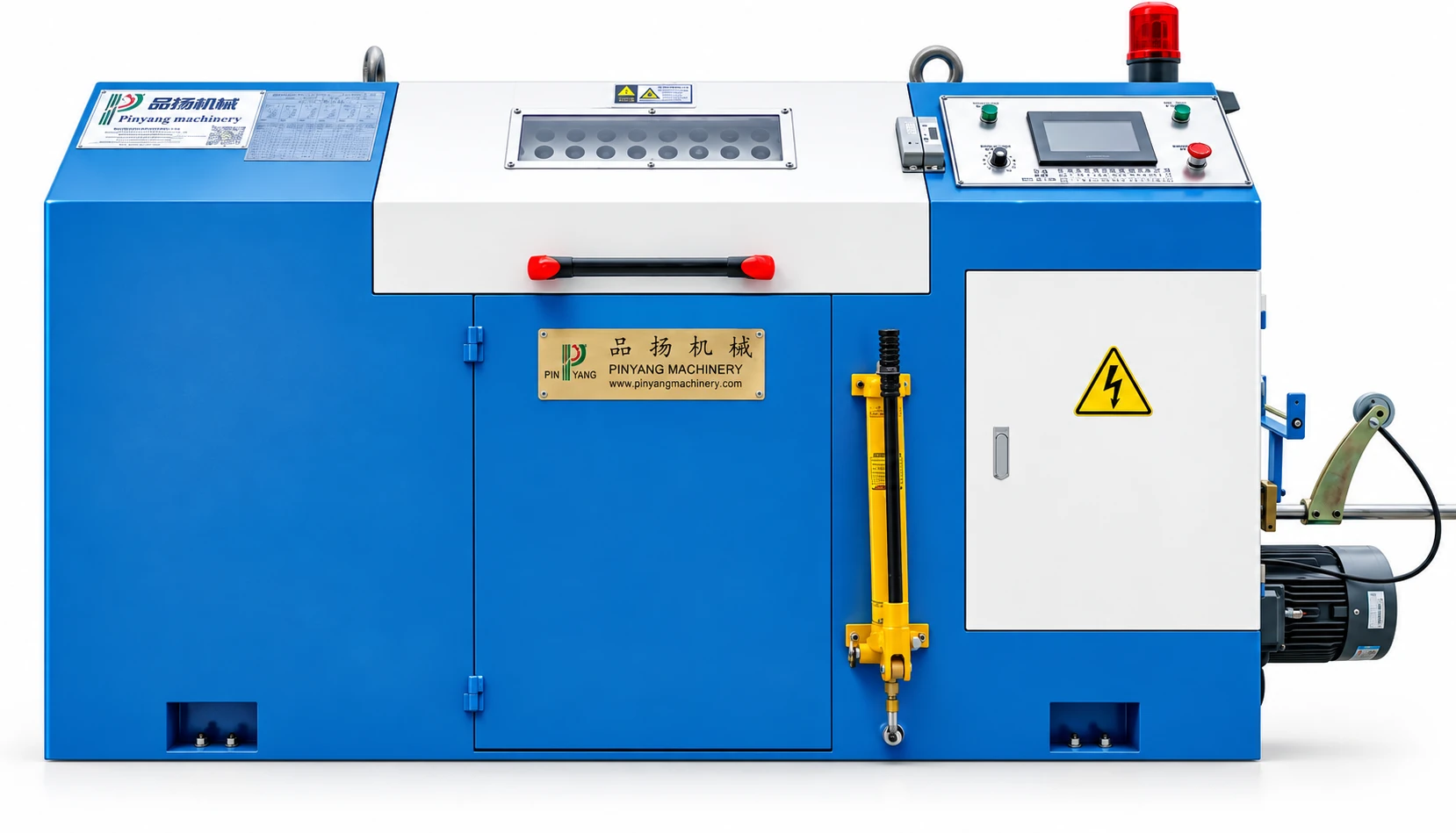
Compare types & models
Bunching & Stranding
Conductor formation

Wire Bunching & Stranding Machines

Double-twist · Arch type · Planetary · Rigid frame & tubular

Input
Drawn or annealed wire
Output
A conductor ready for insulation
Check the fit

Conductor bunching works with individual wires. Pair twisting works with insulated cores, and cabling assembles cores or pairs. Define the incoming material before choosing the machine family.

Before comparing modelsIndividual wire diameter, strand count and finished cross-section

Compare types & models
Twisting & Cabling
Core & pair assembly

Pair Twisting & Cabling Machines

Pair twisting · Back-twisting · Cantilever single twist · Laying-up

Input
Insulated cores or pairs
Output
An assembled cable core
Check the fit

Pair twisting and final cabling are separate operations. Neither replaces bare-wire conductor bunching. Plug molding, connector fitting and finished assembly testing are outside the cable-manufacturing equipment shown here.

Before comparing modelsCore or pair count, assembly diameter, lay and shielding

Compare types & models
Cable Extrusion
Insulation & sheathing

Cable Extrusion Lines

Insulation & sheath · New energy · Silicone · Fluoropolymer · Foaming

Input
Conductor or assembled cable core
Output
Insulated wire or jacketed cable
Check the fit

Insulation and sheathing use different incoming products. Compound-specific curing, cross-linking, shielding and final cable testing need an explicit scope; they are not established by choosing an extruder size.

Before comparing modelsCompound grade, input diameter, layer thickness and finished diameter

Compare types & models
Auxiliary Equipment
Handling, inspection & finishing

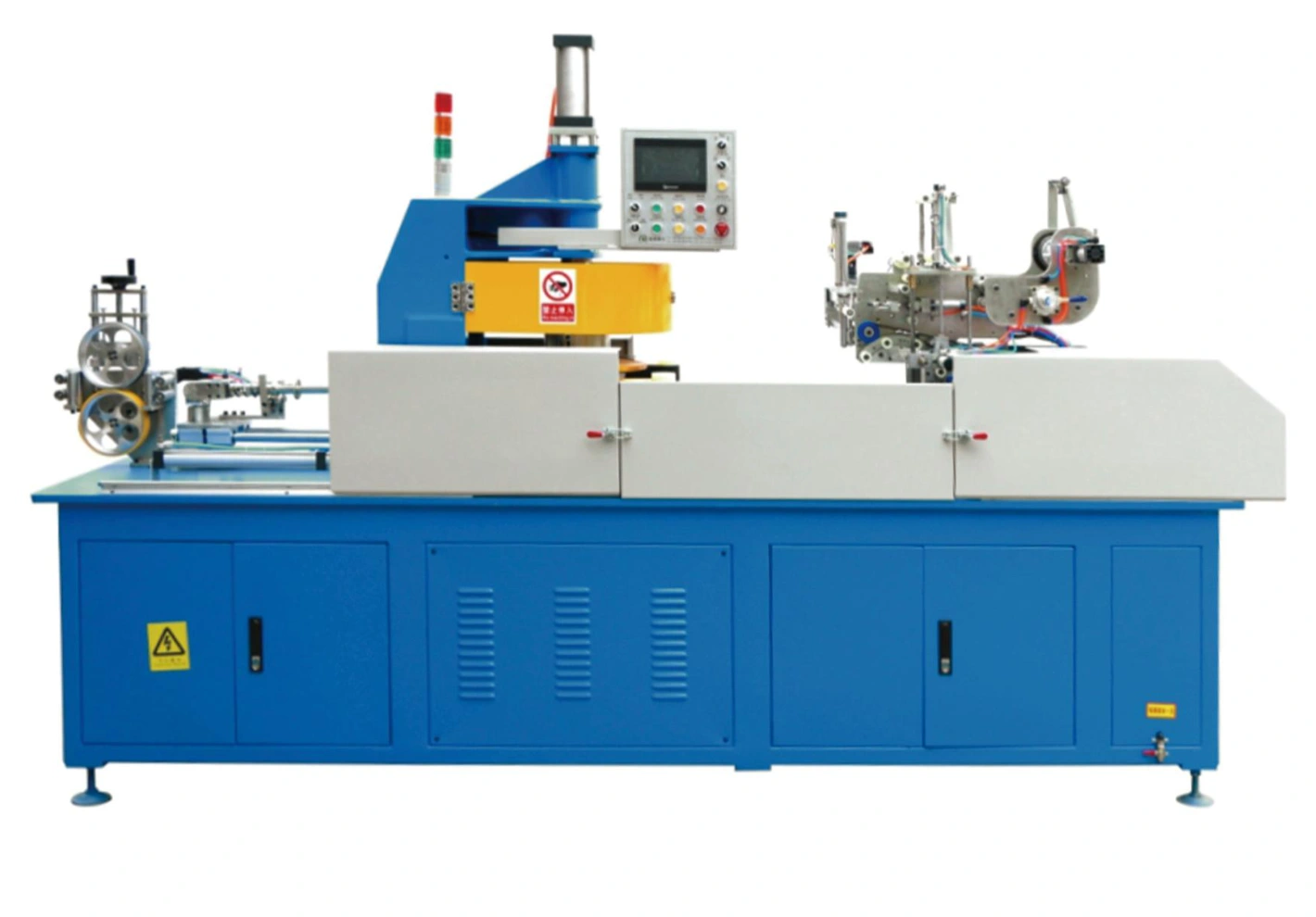
Cable Handling & Auxiliary Equipment

Pay-off & take-up · Taping · Inspection · Coiling & cutting

Input
Wire or cable at the relevant stage
Output
A process-ready or finished package
Check the fit

Each supporting unit has a defined duty. Taping is not a complete braiding package, in-line checks do not replace final cable testing, and cable coiling or cutting does not include plug or connector assembly.

Before comparing modelsOperating task, cable dimensions, reel or coil format

Compare types & models

Where each machine fits

Identify the operation you need before comparing individual models.

Equipment by input, operation and output
EquipmentStarts withProduces
Wire Drawing & AnnealingSpecified rod or wire feedstockWire prepared for the next process
Bunching & StrandingDrawn or annealed wireA conductor ready for insulation
Twisting & CablingInsulated cores or pairsAn assembled cable core
Cable ExtrusionConductor or assembled cable coreInsulated wire or jacketed cable
Auxiliary EquipmentWire or cable at the relevant stageA process-ready or finished package

Match the proposal to your project.

Select a purchase scope to compare what you provide and what to request.

PINYANG catalogue equipment
Equipment example from the catalogue

New production line

You know the cable you want to make and need to define the manufacturing route.

Your starting information

  • Cable drawings and material grades
  • Product range, target output and working hours
  • Factory plan, utilities and planned reel handling

Request in the proposal

  • Proposed process route and equipment list
  • Interfaces and scope assigned to each stage
  • Layout requirements and points needing technical confirmation

Plan the investment around a defined scope.

Begin with a product and a manufacturing boundary. Then compare the costs that belong to each part of the project.

Equipment package

Main machines, handling units, controls, tooling, agreed inspection equipment, initial spare parts and specified services.

Decision to make

Which operations will you perform in-house, and which materials or intermediate products will you buy?

Factory & installation

Space, utilities, handling access, transport and the installation responsibilities relevant to the chosen location.

Decision to make

What is already available at the site, and which items need a separate supplier or local estimate?

Production start-up

Trial materials, consumables, operator preparation, maintenance supplies and the operating resources for the planned product mix.

Decision to make

What is included in the equipment proposal, and what must your own start-up plan cover?

Request an itemised quotation for a defined cable range and mark included, optional and buyer-supplied items before comparing totals. An equipment quotation and a complete factory budget cover different scopes.

Choose a production route
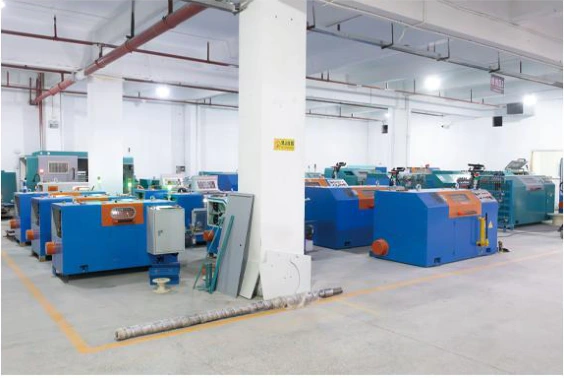
PINYANG workshop shown in the company catalogue

Review the manufacturer behind the equipment.

The catalogue photographs and reference tables are a starting point. For the selected machine, request its proposed configuration, relevant trial evidence and the documentation and support scope to be agreed.

Review manufacturing evidence

Choosing your equipment

Where should I start if I only know the cable I want to make?

Choose a cable application in the equipment filter, or open Production Lines. Start with the finished cable drawing and output requirement; the individual operations and machines can then be reviewed together.

Can I buy a single machine for an existing line?

Yes. Provide the operation, cable dimensions, current equipment, reel sizes and control interfaces. The unit must fit the existing production process.

Are the model tables a complete list of available machines?

The tables show selected reference configurations from the 2026 catalogue. Other machine types are shown in each equipment family. The final selection follows the material, dimensions and process requirements.

What should I compare in equipment quotations?

Compare the same product range, input materials, required output, equipment list, controls, inspection and service scope. Maximum machine speed alone is not a complete production commitment.

Your Project Brief

Share the cable you want to make and the scope of your project.

Sample site: prepare and download a project brief locally. No inquiry is sent.