Handling, inspection & finishing

Cable Handling & Auxiliary Equipment

Pay-off, take-up, taping, inspection, coiling, wrapping and cutting equipment. Match each unit to the cable dimensions, line interface and finished package.

Explore the selection guide
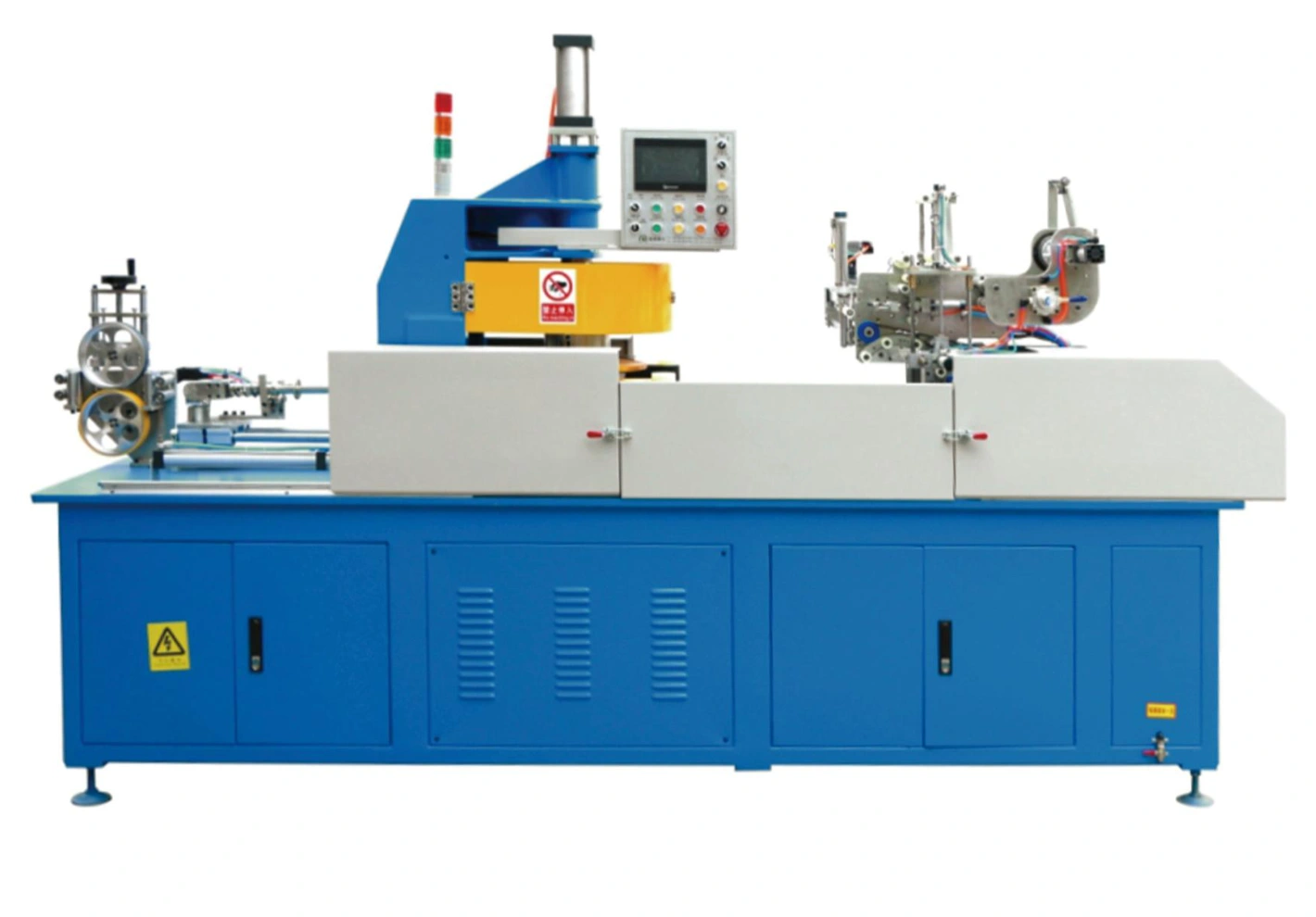
Automatic PLC coiling and wrapping machine

Choose the equipment for your operation

Taping, handling, coiling, cutting and in-line inspection equipment.

Auxiliary Equipment catalogue equipment example
Handling, inspection & finishing

Start with what the machine needs to do.

Material entering the machine
Wire or cable at the relevant stage
Required result
A process-ready or finished package

Match the working range, material handling and controls to this operation.

Taping equipmentSpecified single or double-layer tape applications

Confirm before selectionTape material, width, overlap, cable size and process position.

Pay-off & take-upCoordinated material supply and collection

Confirm before selectionReel dimensions, loading, tension and line interface.

Coiling, wrapping & cuttingFinished cable handling and packaging

Confirm before selectionCable size, target length, coil format and packaging requirements.

Spark testing & diameter measurementInspection at the selected production stage

Confirm before selectionCable dimensions, process location and the required inspection method.

Which situation matches your project?

Open the operation you need, then review its configuration inputs.

Auxiliary Equipment
Auxiliary Equipment · catalogue equipment example
Connecting material handlingA main machine needs compatible supply, collection or tape handling.
Review together
Review pay-off, take-up or taping against the cable path, tension, reels, tape and main-machine controls.
Next decision
Provide the connection-point drawing and details of the adjacent machine.
Adding an in-line checkA defined production stage needs spark testing or diameter measurement.
Review together
Specify the purpose, product dimensions, position and the process response required.
Next decision
Describe the check required and the existing line interface.
Preparing the finished packageCable must be coiled, wrapped or cut for the next operation or shipment.
Review together
Review cable flexibility, finished length, coil dimensions, loading and wrapping requirements.
Next decision
Provide the package specification and how cable arrives from the main process.
When the scope changes

Each supporting unit has a defined duty. Taping is not a complete braiding package, in-line checks do not replace final cable testing, and cable coiling or cutting does not include plug or connector assembly.

Compare reference configurations

Check the differences that matter to your product. Final selection follows a technical review.

Automatic PLC coiling & wrapping

2026 catalogue · p. 26

Compare these two catalogue configurations.

Model APYJB1246
Model BPYJB1860
PYJB1246 compared with PYJB1860
SpecificationPYJB1246PYJB1860
Wire Ø (mm)1–62–16
Max. coil OD (mm)400600
Coil ID (mm)140–200200–300
Traverse height (mm)40–10060–180
Add a model to your brief

Confirm cable flexibility, coil length and packaging requirements. Coiling speed and completed packages per minute are different measures.

Catalogue figures are reference values. Material, product dimensions and the agreed configuration determine operating output and the final technical specification.

What determines the configuration?

Review the choices behind the equipment package.

Auxiliary Equipment
Catalogue equipment example; configuration follows your product.
Define the finished package

Cable diameter alone is not enough for a coiler. Specify the coil inside and outside diameters, height, length and wrapping requirements.

Review the line interface

A pay-off, take-up or inspection unit must work with the existing cable path, tension and control arrangement. Include the main machine details when planning a retrofit.

Distinguish process and final testing

Spark testing and diameter measurement address defined production checks. The finished cable still needs its own validation plan for the intended application.

Check the connections around the machine.

Input, equipment and output must work as one connected process.

Incoming materialWire or cable at the relevant stage
Auxiliary Equipment
Auxiliary Equipment
Required outputA process-ready or finished package
Main machine to supporting unit

Match cable dimensions, operating conditions, tension, centreline and the mechanical connection.

Controls and line response

Confirm the control interface, signal requirements and what happens when the unit or main line stops.

Finished package to handling

Agree reel or coil dimensions, cable length, wrapping and operator access before comparing equipment.

From this operation to your production line.

See the role of this equipment in each cable project, then open the complete route.

Single / double-layer taping equipment

LAN & Data Cable

Apply specified tapes at the selected LAN cable assembly stage.

Confirm firstConfirm tape layers and position. A braiding stage needs its own scope.

Automatic coiling and wrapping equipment

Solar Cable

Prepare the agreed coil package after solar-cable processing.

Confirm firstConfirm cable flexibility, coil dimensions, length and the required finished-product checks.

Automatic coiling and wrapping equipment

Power & Building Cable

Prepare coils for suitable building-wire or power-cable sizes.

Confirm firstCheck the listed coiling range and package; larger cable may need a different reel-handling arrangement.

Automatic coiling and wrapping equipment

Power Cord

Package bulk power-cord cable after insulation, assembly and sheathing.

Confirm firstCoiling and cutting concern the cable. Plug molding and termination are outside this scope.

Single / double-layer taping equipment

Coaxial Cable

Review tape application within the specified coaxial shield structure.

Confirm firstConfirm tape suitability, layer position and separate braiding responsibilities.

Single / double-layer taping equipment

USB & Data Cable

Review specified tapes around the data-cable core or pairs.

Confirm firstDefine each tape and shield layer; braiding, connectors and final assembly remain separate scope decisions.

Define your equipment package

Agree the main machine and supporting items together before comparing proposals.

Specify in the equipment list

  • The required taping, handling, inspection or finishing unit
  • Cable path, reel dimensions and tension requirements
  • Line control and mechanical interfaces
  • Coil, cut-length or wrapping format

Confirm the related requirements

  • Existing machine information and retrofit access
  • Consumable tapes, wrapping materials and reels
  • Label content and finished package acceptance requirements

Compare the proposal, not only the model.

Does the supporting unit fit the product and the machines on both sides?

Use the same product and scope when comparing suppliers.
DecisionWhat to checkWhat to request
Defined dutyDistinguish paying off, taking up, taping, inspection, coiling and cutting. Each has a different selection basis.A duty schedule stating what each unit accepts and delivers.
Mechanical fitConfirm cable dimensions, reel geometry, load handling and the available operating space.Reel/product drawings and the mechanical interface to the retained line.
Controls & qualityAgree tension, speed coordination, signals and required checks; an in-line device does not replace every finished-cable test.An interface/responsibility list and a validation method for the unit’s specific duty.
Package & handoverIdentify guarding, accessories, consumables, documentation and service arrangements relevant to the selected unit.An itemised scope and the agreed installation/start-up responsibilities.

What changes the quotationThe unit’s duty, product and reel range, control integration, measurement needs and accessories change the package. Mark tooling, supporting units, site works and services as included, optional or buyer-supplied before comparing prices.

Define a useful equipment trial.

Agree the representative product, incoming material, setup, run conditions, measurements and records before the trial. Confirm the acceptance criteria together; a catalogue maximum is not a guaranteed result for every product.

Prepare your selection requirements

Product

Cable or conductor dimensions, material and handling constraints.

Operating task

Taping, coiling, cutting, inspection or reel handling requirements.

Line compatibility

Existing equipment, interface details and process position.

Finished package

Reel or coil dimensions, length and wrapping requirements.

Equipment questions

Can auxiliary equipment be supplied for an existing line?

Share the current equipment and the interface requirements. The supporting unit needs to fit the actual cable dimensions and operating conditions.

Can a coiling machine be selected from cable diameter alone?

Diameter is only one input. Cable flexibility, coil dimensions, length, handling and packaging needs also matter.

Does in-line inspection replace all finished cable testing?

No. In-line inspection serves a defined process purpose. Finished cable verification and applicable test requirements should be established separately for the product.

Can coiling speed be used as packaging output?

No. Coiling length, loading, wrapping and handling all affect completed packages. Define the coil length and finished package before comparing output.

What information is needed for an existing-line retrofit?

Provide the main machine details, cable range, operating speed, reel dimensions, control interface and available space. Include photos or drawings of the proposed connection point.

Your Project Brief

Share the cable you want to make and the scope of your project.

Sample site: prepare and download a project brief locally. No inquiry is sent.